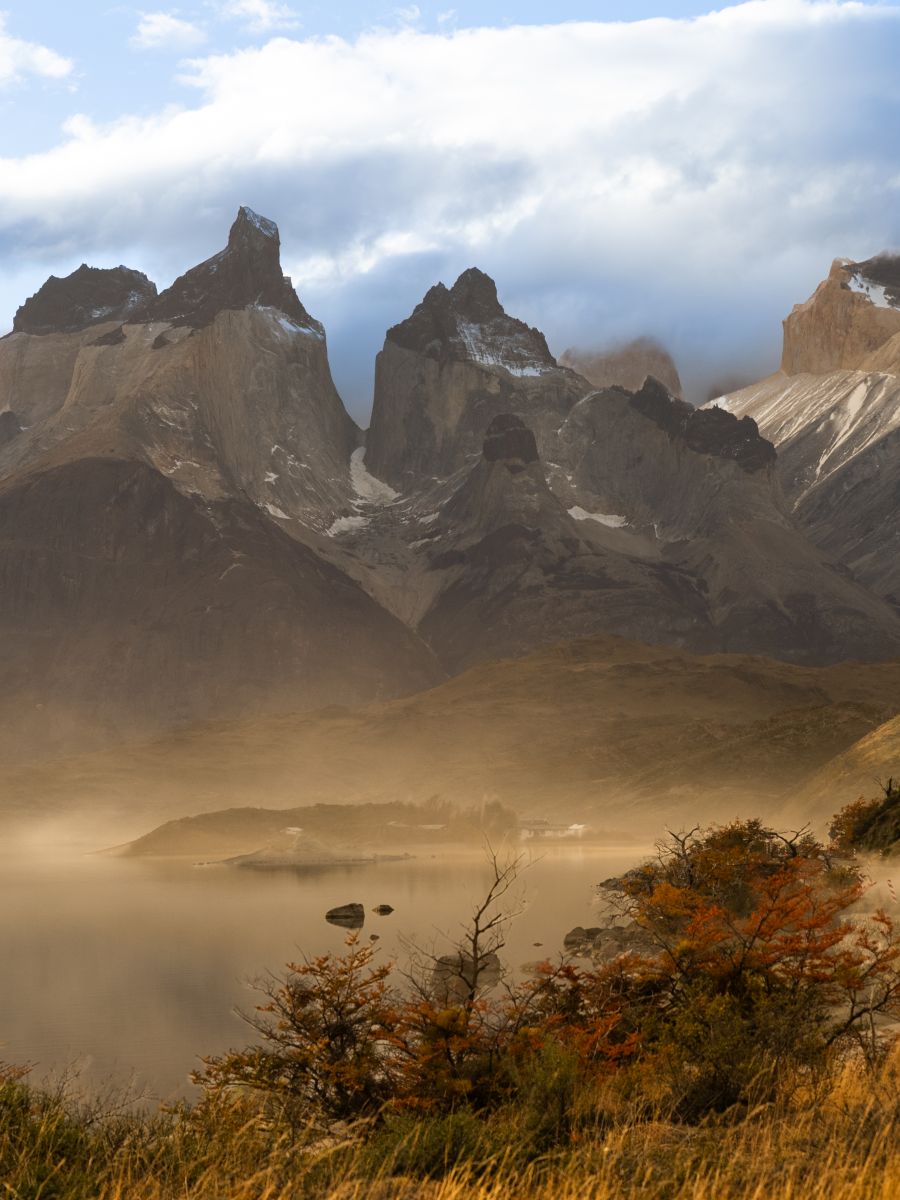
The trail crested, and the Torres del Paine were just there.
The three massifs, sudden and close, the steppe falling away below. The horses stopped. Just off to the left. Unannounced.
The gauchos have ridden this land their whole lives, and it shows in how they move through it — unhurried, fluent, at home in a way that takes generations. Skilled horsemen and cowhands of the South American grasslands, the gaucho is as much a part of Patagonia as the wind and the mountains.
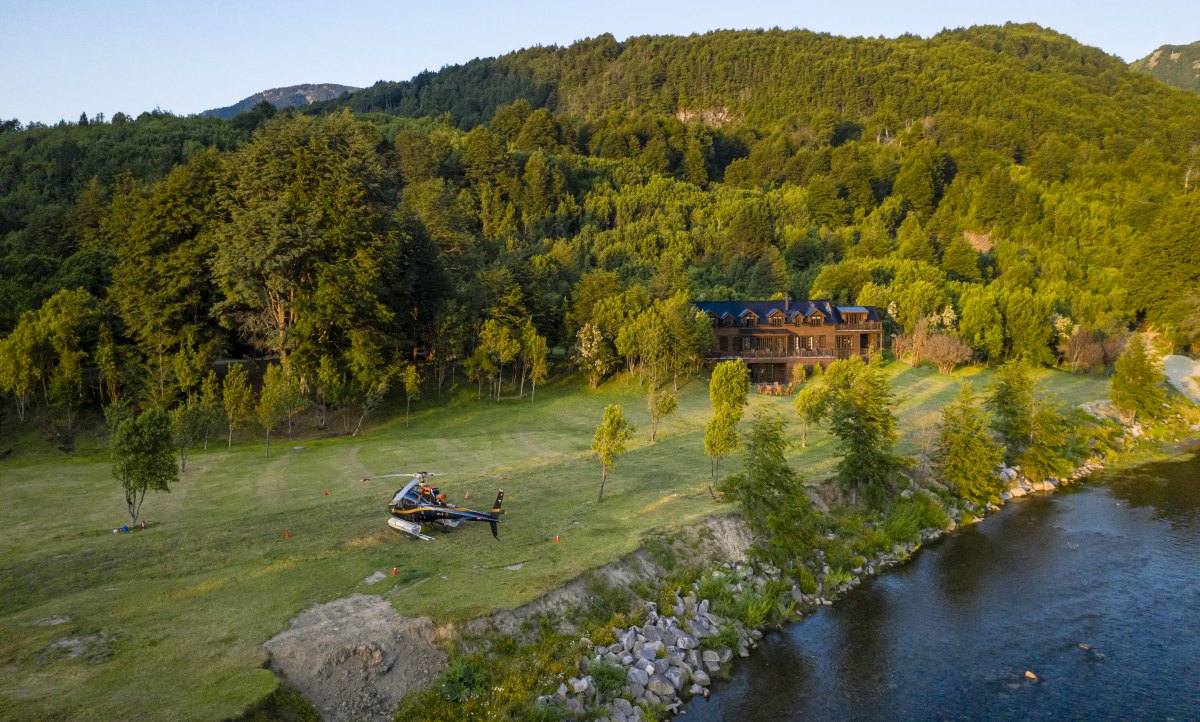
Exploring the Andes on horseback alongside a gaucho, riding out together through the ranch and the land beyond. The creak of the saddle, hooves on loose rock, the trees shining gold in the summer sun — the Torres overhead the whole way, never quite letting you forget where you are. Back at the ranch, the quiet rhythms of a life shaped by this unforgiving landscape — and at the day’s end, a quincho, a traditional Patagonian gathering.
The lamb turning slowly on the spit, the Torres framed in the windows beyond. Long tables, wine poured freely, cheese passed around. The conversation and laughter that come naturally after a day spent outdoors together, in that landscape, on those horses.
About Chile
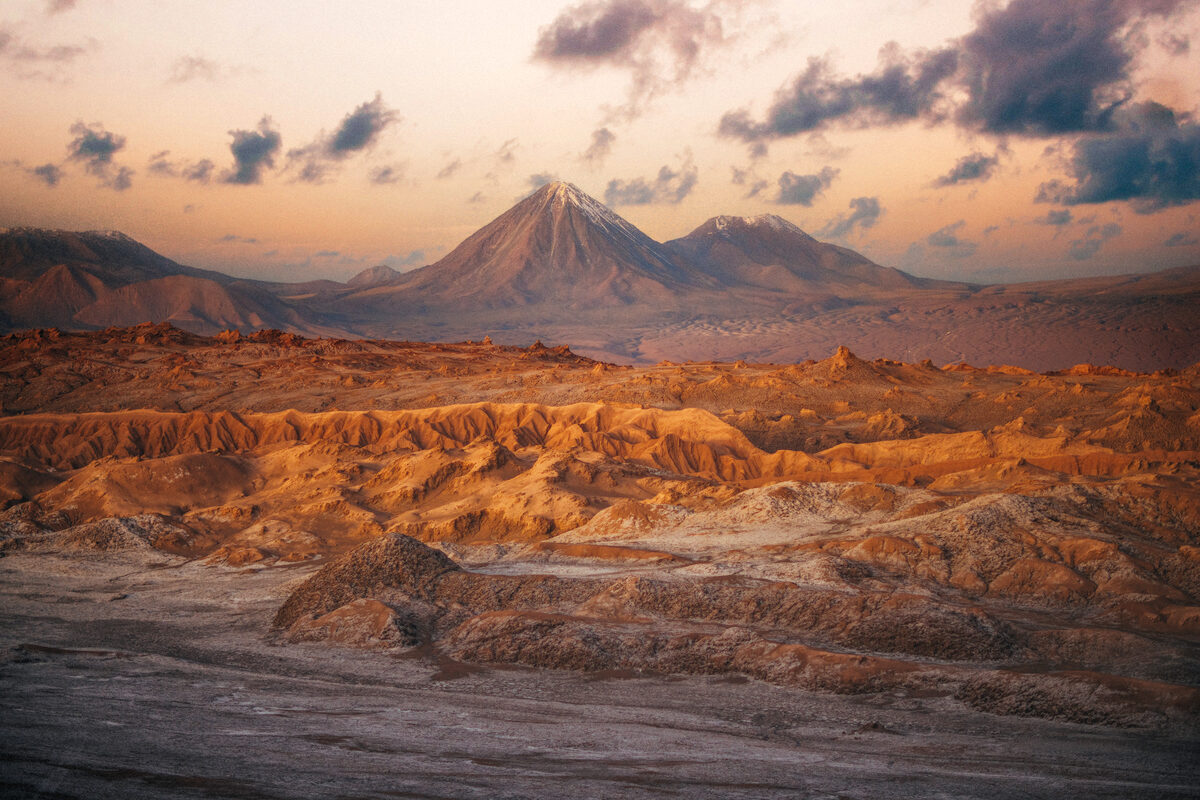
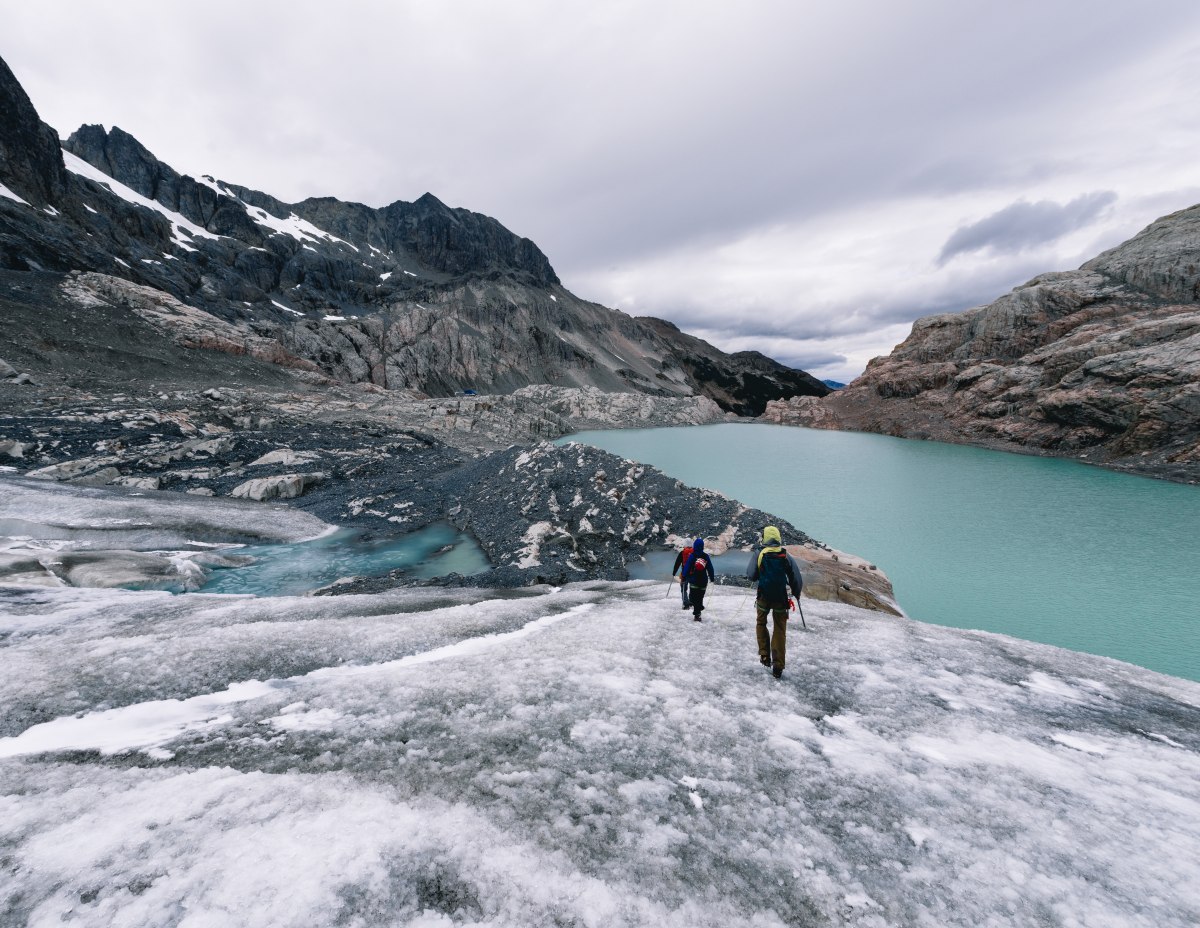
From the Atacama desert in the north to the glaciers, mountains and fjords of Patagonia in the south. A Pacific coastline stretching for thousands of miles, Andean valleys producing among South America’s finest wines, and a culture shaped by indigenous heritage, colonial history and the particular resilience of a people caught between the mountains and the ocean.
Rachit’s Note
What stays with me from that day is how the group arrived — and how they left. The gauchos had let them in, not to a performance, but to the actual texture of their lives. Riding the landscapes they have known their whole lives, the estancia, the conversations despite the language barriers — before long, it felt like we belonged, if only for a day, in someone else’s world.
— Rachit, Co-Founder