AMAZON BASIN · PERU

Deep in the Amazon

“I’ve been lucky enough to do a great many things in my life. Wrestling an anaconda in the Amazon — that one made the list.”

— R.S.

Julio stopped walking.

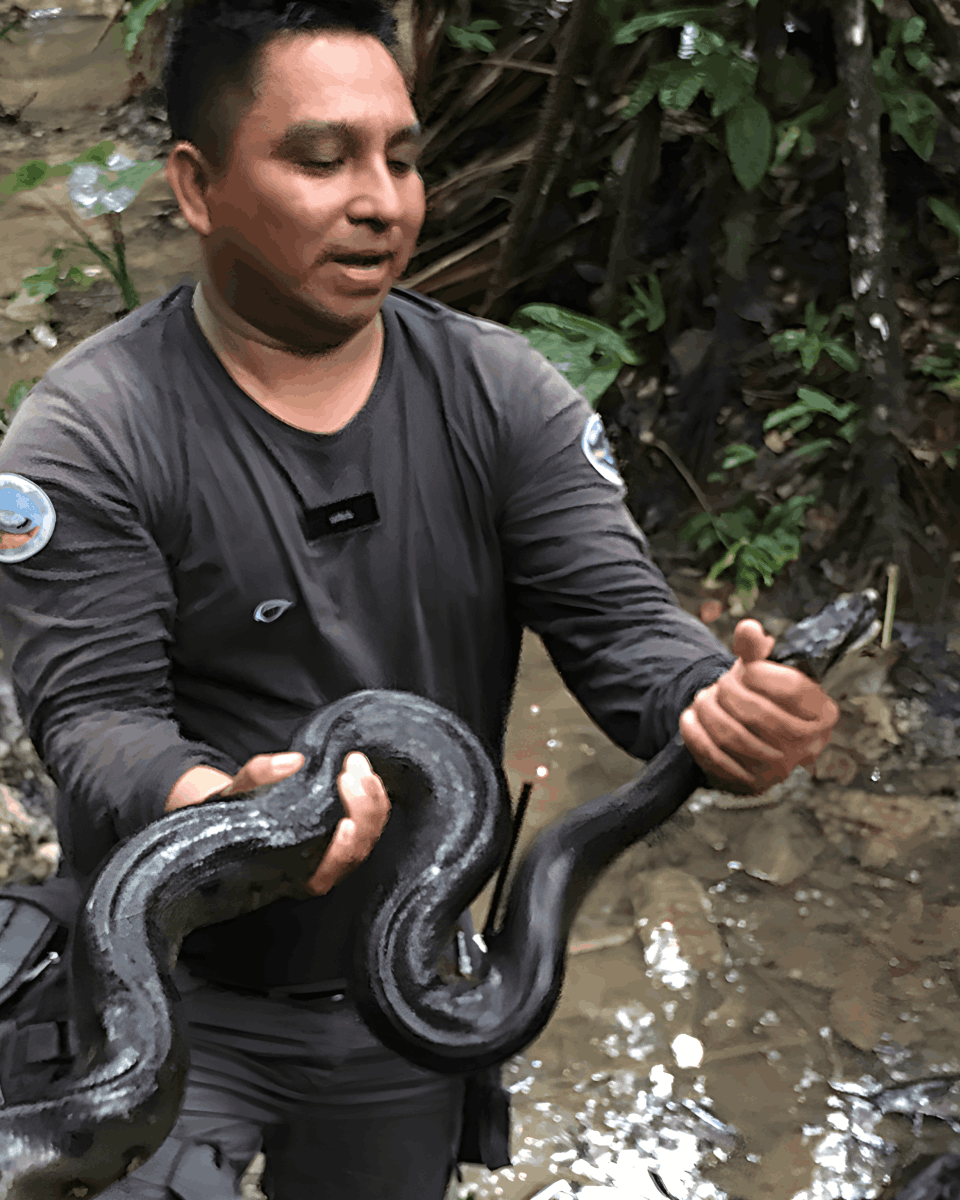
He’d spotted something moving in a shallow puddle off the trail. He held up his hand, and the group stopped behind him. Then, quietly: “Anaconda. A juvenile — not large.” He moved toward it, reached down, and lifted it by the head.

The anaconda coiled up his arm — deliberate, unhurried — as he told the group about the species. Then he looked back with a kind of quiet invitation. Two of us from the group stepped forward and took our turn testing what the thing was made of.

It was stronger than anything that size had any right to be.

Five minutes earlier, the group had been crouched around a poison dart frog — the size of a thumbnail, red, and apparently one of the most toxic creatures in the forest. The Amazon kept doing that. Something tiny stopped you cold, and then something else did, and by the end of the afternoon you’d lost track of how many times the jungle surprised you.


About Peru

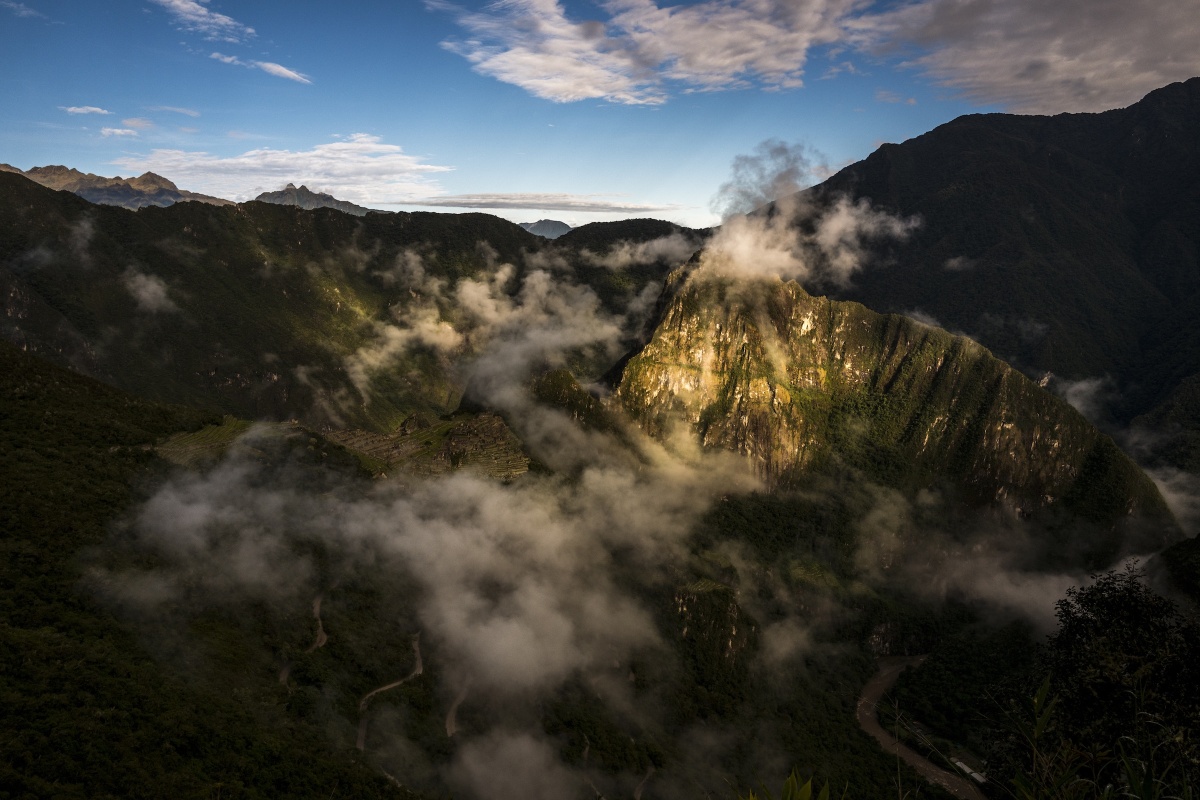
Few countries hold as many worlds within one border. The Sacred Valley and Machu Picchu are as extraordinary as their reputation suggests — ancient Incan engineering set against Andean peaks that make you understand why a civilisation considered them sacred. Cusco, once the capital of the Incan empire, remains one of the great living cities of the Americas — its colonial architecture layered over foundations that were built to last millennia. Along the coast, Lima has quietly become one of the great food cities of the hemisphere, its restaurants drawing on ingredients and techniques from the highlands, the jungle, and the Pacific in equal measure. And then there are the people — Quechua-speaking communities in the highlands who have held their traditions close across centuries — their language, textiles, ceremonies, and agricultural practices forming an unbroken thread between the ancient world and the present one.

Rachit’s Note

We always look for the unusual within the expected. Peru means Machu Picchu, the Sacred Valley, Cusco — and all of it deserves its place. But we’ve always believed that the best itineraries have at least one chapter that surprises even the most well-traveled guest. The Peruvian Amazon became that chapter for this group of five couples — largely overlooked, genuinely remote, and as it turned out, full of its own ideas about what the day should look like.

— Rachit, Co-Founder

Experiences in Peru

Private Access

An Afternoon with Ester Ventura

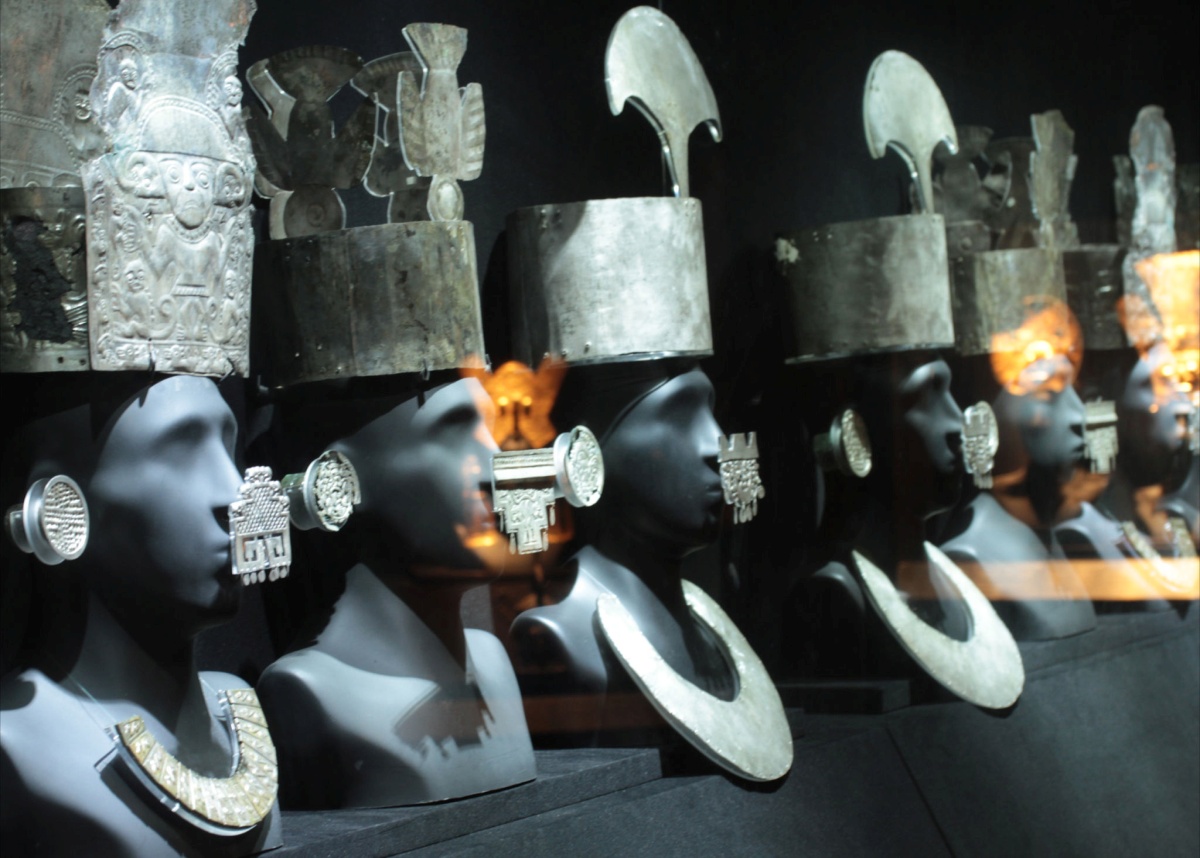
In 1974 an Argentine artist arrived in Peru for a short holiday and never left. Fifty years on, Ester Ventura works from a private house-atelier in Lima — her home, her sanctuary, not open to the city beyond it. Her materials are drawn from centuries of Peruvian culture: Chavin beads, fragments of Nasca textile, Mochica objects, Chimu shell, monkey bone carved in the Amazon, all set in silver. In her workshop, hands find their way into the same materials. What gets made is small. What it holds is not.

Explore this moment

Fashion

Lima's New Designers

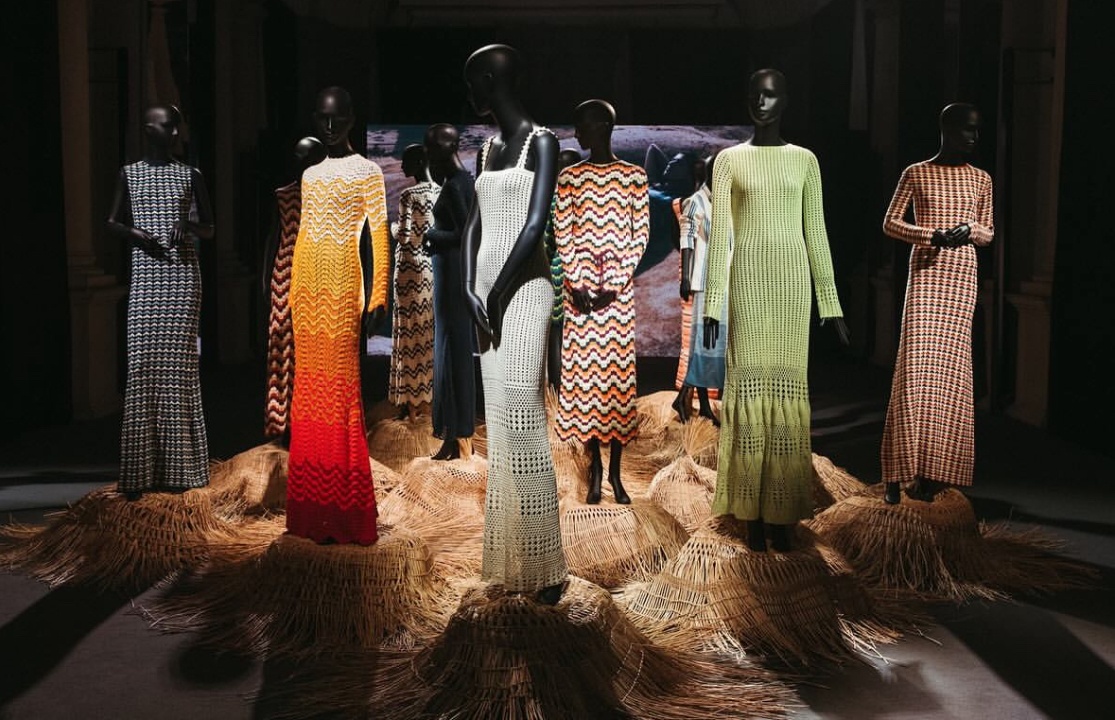
Something is happening in Lima’s design studios. A generation of Peruvian designers is working with materials that carry centuries of meaning — alpaca and vicuña, pima cotton, spondylus beads, regional embroideries — and making them contemporary without making them decorative. Moving through the city with an expert who knows these studios personally, doors open that aren’t open to everyone: private appointments, conversations with the makers, the chance to understand what you’re looking at before you decide what to take home.

Explore this moment

Monument

The Fortress at the Canyon's Edge

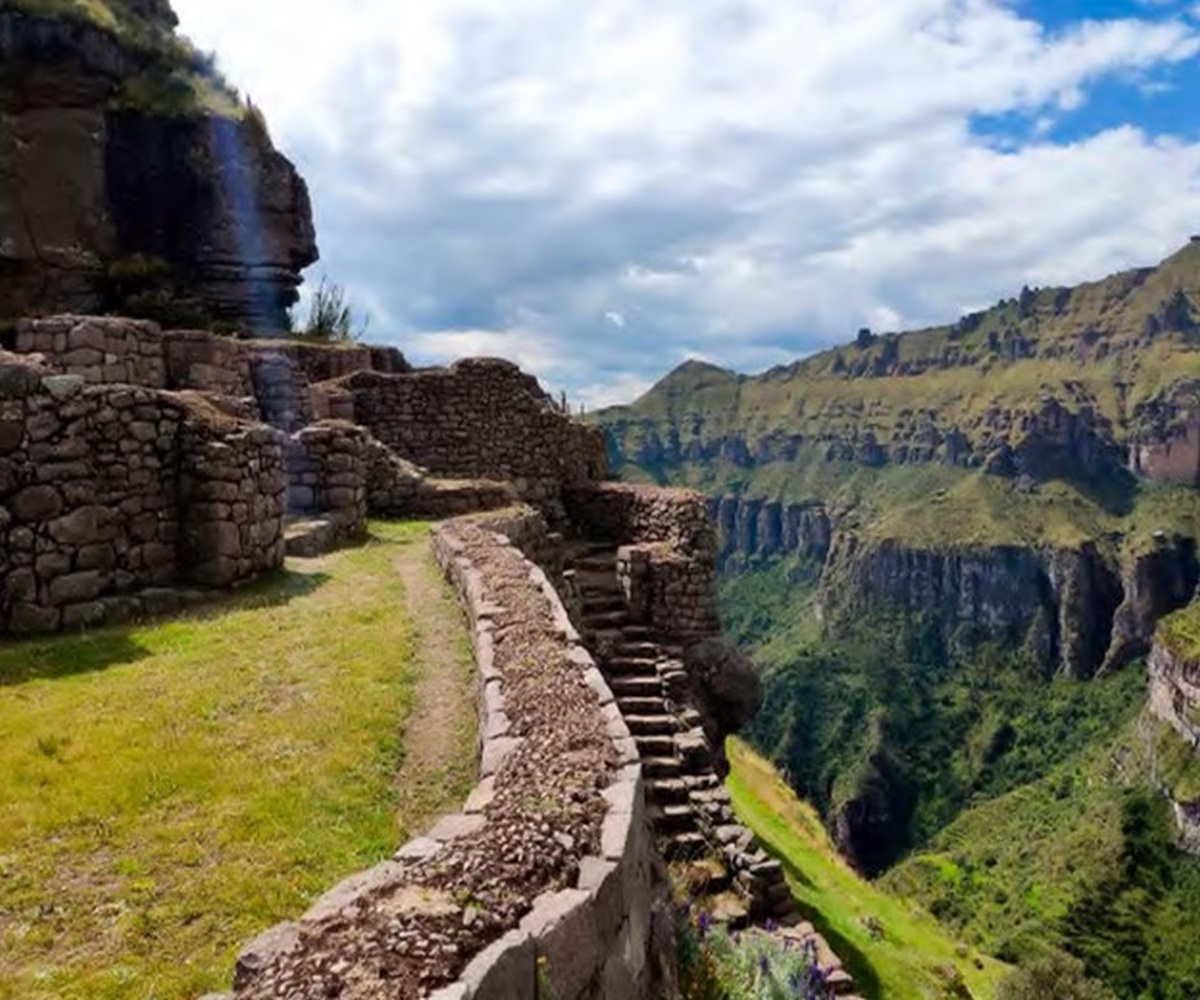
Two days of trekking through remote Andean highlands — altitude climbing past 4,600 metres — and then the canyon opens. Wakrapukara appears on the cliff face, Inca stonework growing from the rock as though placed by the landscape itself. A three-jamb doorway marks the entrance: rare, precise, and largely unseen. Very few people have stood here. The walk is the reason.

Explore this moment

Adventure

The Mountain Behind the Ruins

From below, the mountain looks like it shouldn’t be possible. Up close, the Inca steps cut directly into the rock settle the question — this was always meant to be climbed. Hands and feet both find their use on the steeper sections, a tunnel carved through solid stone marking the final approach. From the summit, Machu Picchu reveals what no path through it can: the full geometry of the place, and the deliberateness of where it was built.

Explore this moment

Cultural Immersion

A Village Above the Valley

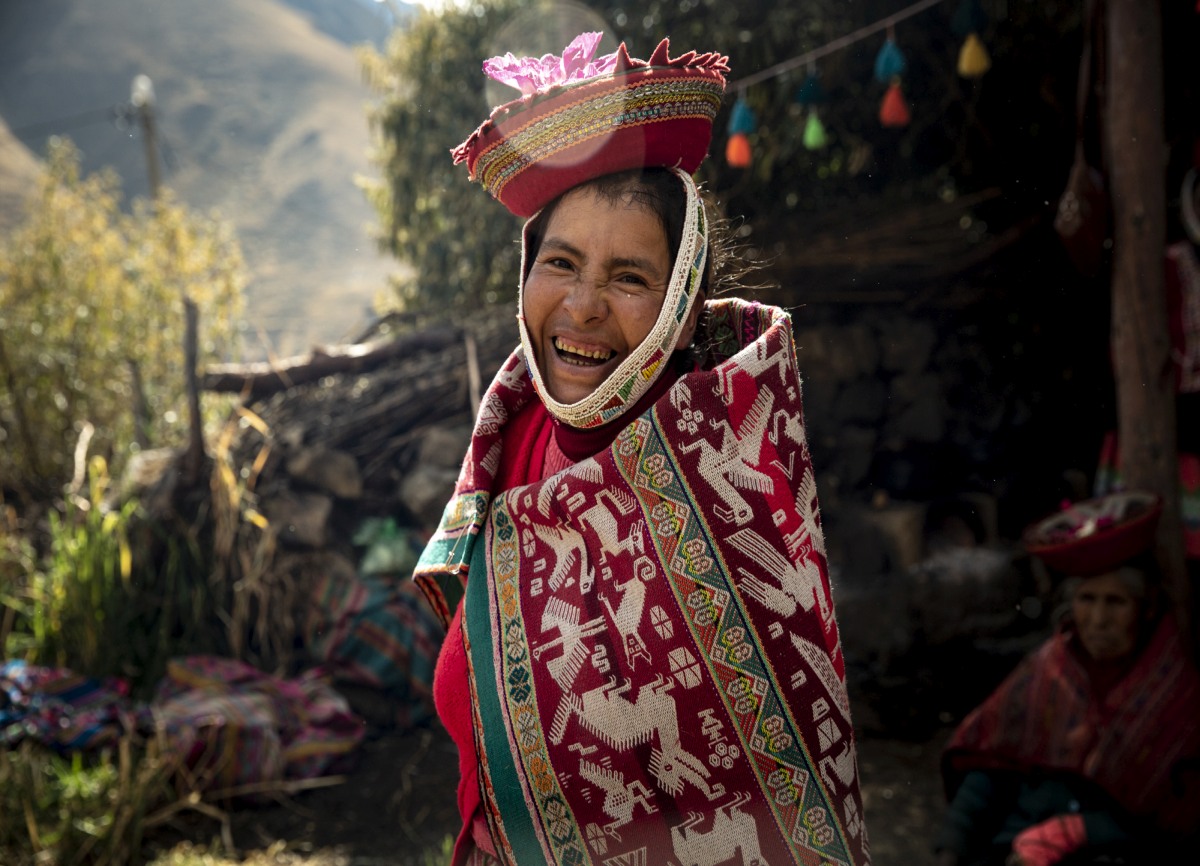
At 12,400 feet, past the last Inca terraces and the last flocks of sheep, a Quechua village sits unchanged — women weaving in wool they spun themselves, houses built as they always were. A relationship tended carefully over years makes this visit possible: not as observers, but as guests. In an open field, with the Andean peaks as backdrop, stones are heated and the earth itself becomes the oven — meats marinated in local herbs, sweet potatoes, corn and lima beans, all wrapped in banana leaf and sealed underground. When the pit opens, steam rises against the mountain air. What is laid before you — abundant, unhurried, prepared by people who have done this for generations — is a feast in the oldest sense of the word. To be here, at this table, is not something that can be arranged on arrival.

Explore this moment

Culinary & Cultural Immersion

Morning in the Mercado

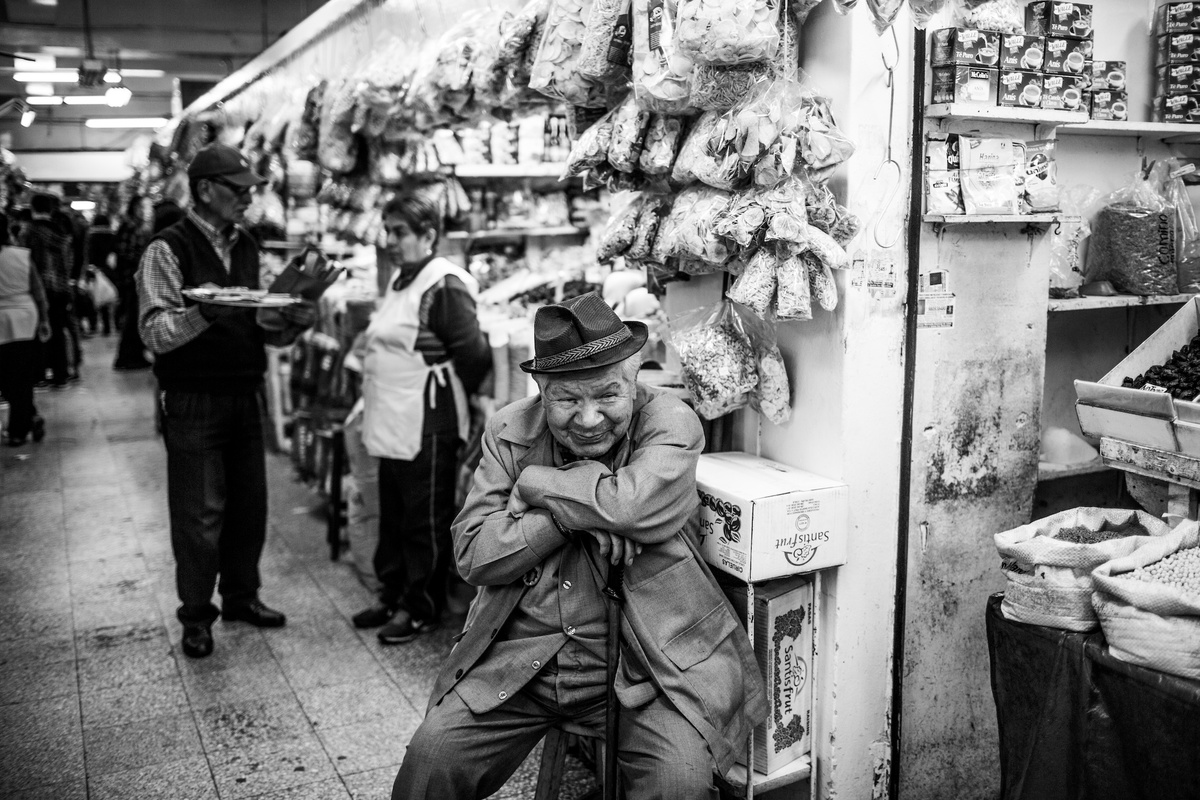
Lima’s markets don’t perform for visitors — they simply run, as they always have. Moving through the stalls with a culinary expert at your side, names are given to things you couldn’t place: a tuber, a herb whose smell stays with you. The trail leads into huariques — small, family-run, unhurried — where dishes arrive that have no interest in reinvention. By the time you share a table, the meal tastes different for having watched it begin.

Explore this moment

Begin Your Story

Would you like us to create something like this for you?

Every journey starts with a single conversation — with us, not a form.