
Experiences

Not how much you see —
but how deeply you feel.

Some journeys stay with you long after they end.

They live in fragments — the warmth of light through a window, a stranger’s smile, the hush before dawn in a city you’ve never seen. These stories are written by travellers who went looking for a place, and found something far more lasting — a feeling, a moment, a shift within.

What follows is a collection of such memories. Honest, unfiltered, and deeply personal, they capture what it truly means to travel — not just to see the world, but to be moved by it.

Cuba

The Invitation
Was for Dinner

The invitation was for dinner.

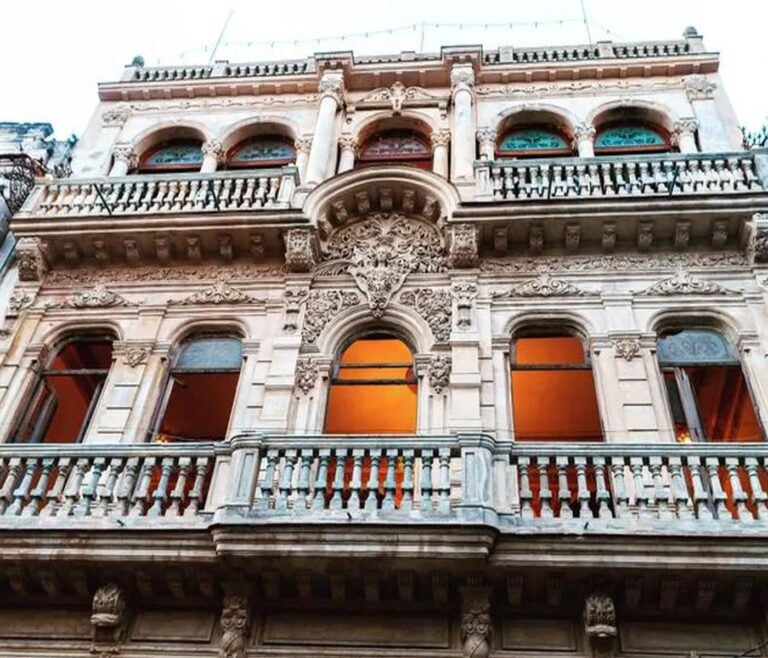
In a restored colonial paladar — once the home of a sugar baron, its walls still carrying the weight of that history — a small group gathered around a table with rum, hand-rolled cigars, and a man who was in the room when history was being made. Former official spokesman for the Fidel Castro administration in Washington, DC.

The stories came — Fidel as a leader, how he moved, how he thought, why people loved him with the kind of loyalty that outlasted decades. The kind of stories that don’t make it into books.

The rum kept flowing, a cigar was lit, and at some point the music started — history and salsa and the particular warmth of a Cuban night, all at once.

Read the story

Iceland

Hot Tea on a Glacier Lagoon,
a Thousand Miles from Anywhere

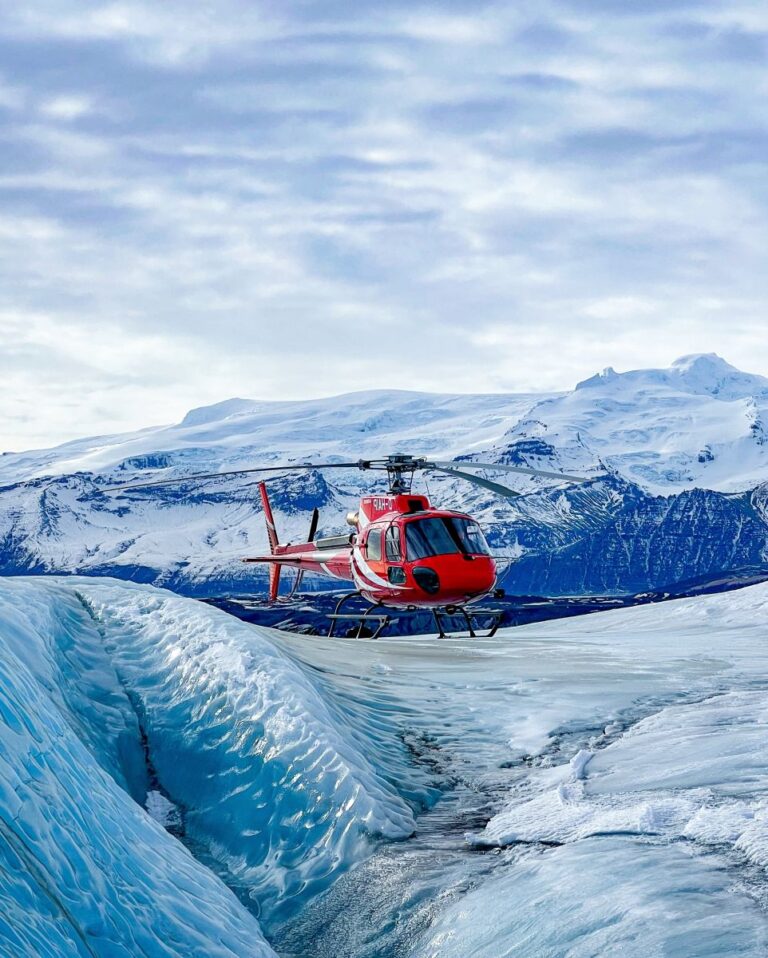
“Being served my favourite tea in the middle of a glacier lagoon on Vatnajökull… was a surprise I truly hadn’t seen coming.”

— Mr. H.G.

Read the story

Ethiopia

Where the Door Opens
Only if You Know How to Knock

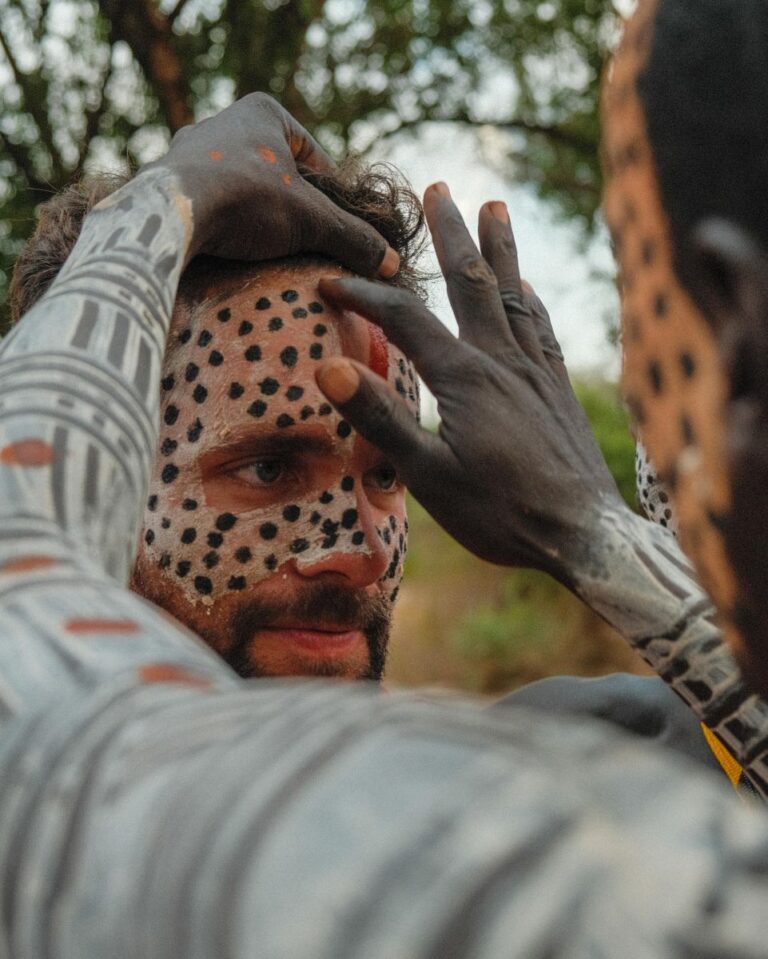
The journey to the Omo River valley feels like stepping into a previous age — where tribal communities have lived a life unchanged by time. Benny, who grew up in the valley and has spent years studying its culture, becomes your bridge into this world. With him, the Kara and Hamar villages reveal themselves differently.

There’s no performance here, no itinerary. Just an invitation into daily life — watching ochre being ground for body paint, sitting in the shade while elders share stories, and the feeling of being welcomed into their home rather than merely allowed.

The experience transforms from observation into exchange — creating space for genuine human connection that stays with you long after you’ve left.

Visiting the tribes of the Omo Valley is profound, but only when approached with care and responsibility. The most beautiful encounters — the ones that transcend language and cultural barriers — are built on relationships nurtured over time, with warmth and respect. Not every visit is the same. The difference lies in who brings you there, and why they’re welcomed. — Urmi

Read the story

Peru

Deep in the Amazon

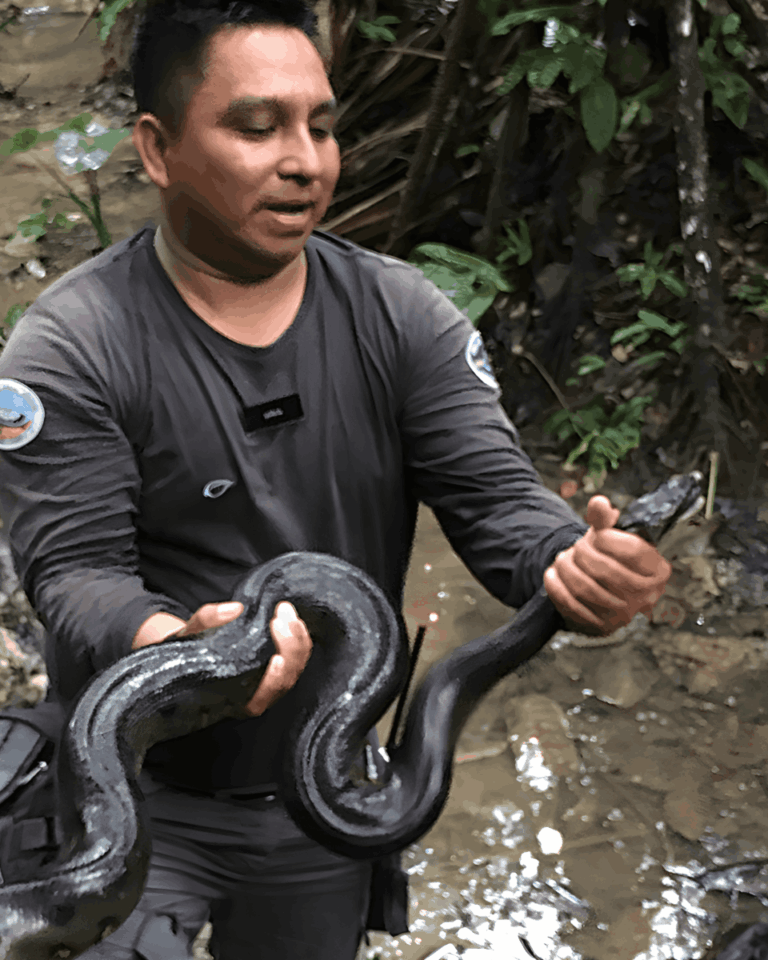
“I’ve been lucky enough to do a great many things in my life. Wrestling an anaconda in the Amazon — that one made the list.”

— R.S.

Read the story

Chile

A Day with the Gauchos
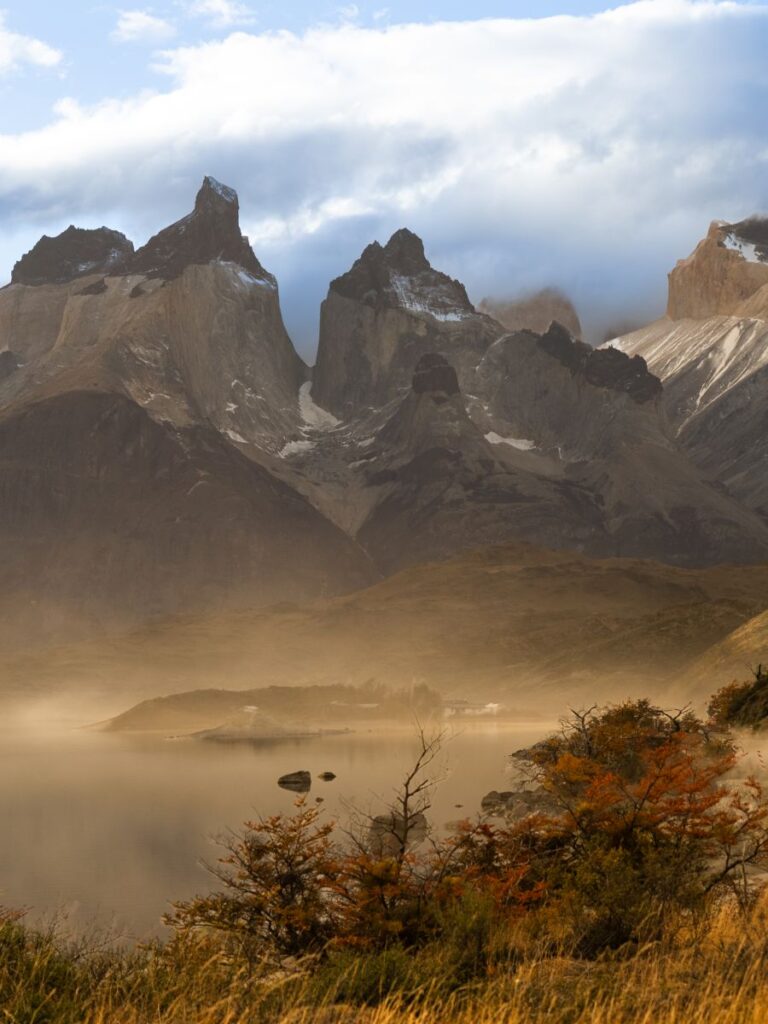
Into the Mountains of Torres del Paine

The trail crested, and the Torres del Paine were just there.

The three massifs, sudden and close, the steppe falling away below. The horses stopped. Just off to the left. Unannounced.

The gauchos have ridden this land their whole lives, and it shows in how they move through it — unhurried, fluent, at home in a way that takes generations. Skilled horsemen and cowhands of the South American grasslands, the gaucho is as much a part of Patagonia as the wind and the mountains.

Exploring the Andes on horseback alongside a gaucho, riding out together through the ranch and the land beyond. The creak of the saddle, hooves on loose rock, the trees shining gold in the summer sun — the Torres overhead the whole way, never quite letting you forget where you are. Back at the ranch, the quiet rhythms of a life shaped by this unforgiving landscape — and at the day’s end, a quincho, a traditional Patagonian gathering.

The lamb turning slowly on the spit, the Torres framed in the windows beyond. Long tables, wine poured freely, cheese passed around. The conversation and laughter that come naturally after a day spent outdoors together, in that landscape, on those horses.

Read the story

Morocco

Hidden in Plain Sight on
Morocco's Atlantic Coast

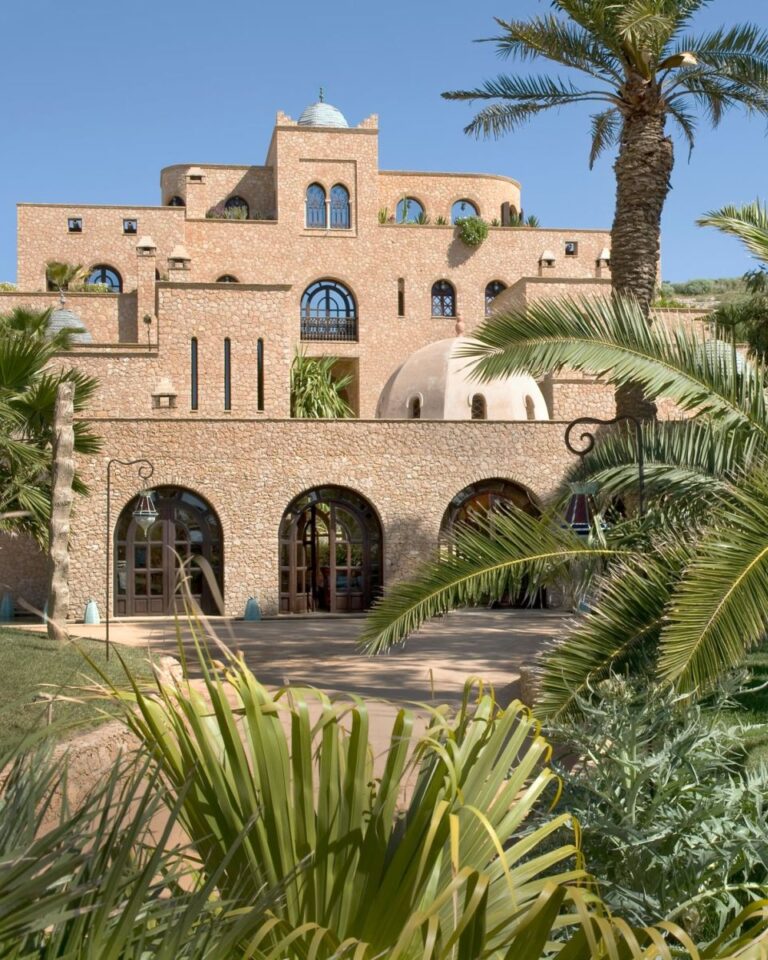
The road into Oualidia doesn’t prepare you for anything. A small fishing town on Morocco’s Atlantic coast, quiet enough to hear the wind off the water. You follow the road down toward the lagoon and somewhere in the back of your mind a small voice wonders: is this right?

And then the gate opens.

The stone is warm, almost amber in the afternoon light. Arched passages. Rooms set high above the bay, each one looking out over a lagoon so still, it looks painted — the low rush of the Atlantic just beyond. The restaurants spill down to the water’s edge, where the light is different and the air carries salt.

The warmth here is the kind that settles over you slowly. Staff who remember how you take your coffee by the second morning. A pace that adjusts to yours. The sense — genuine, unhurried.

The culinary experience is written into the landscape. Oysters farmed in the lagoon just beyond the property — you can watch the beds from the terrace — arrive at your table the same afternoon, cold and briny. In the evenings, lobsters selected live from the catch, prepared simply, served with bread and silence.

After the intensity of Marrakech, this is where Morocco exhales. A hammam. A sunset over the lagoon that turns the water gold, then rose, then a deep quiet blue. The breeze carries salt. By the second day, the stillness has found you.

Read the story

Egypt

Drink in Hand, Rugs on the Sand,
Five Millennia of Quiet

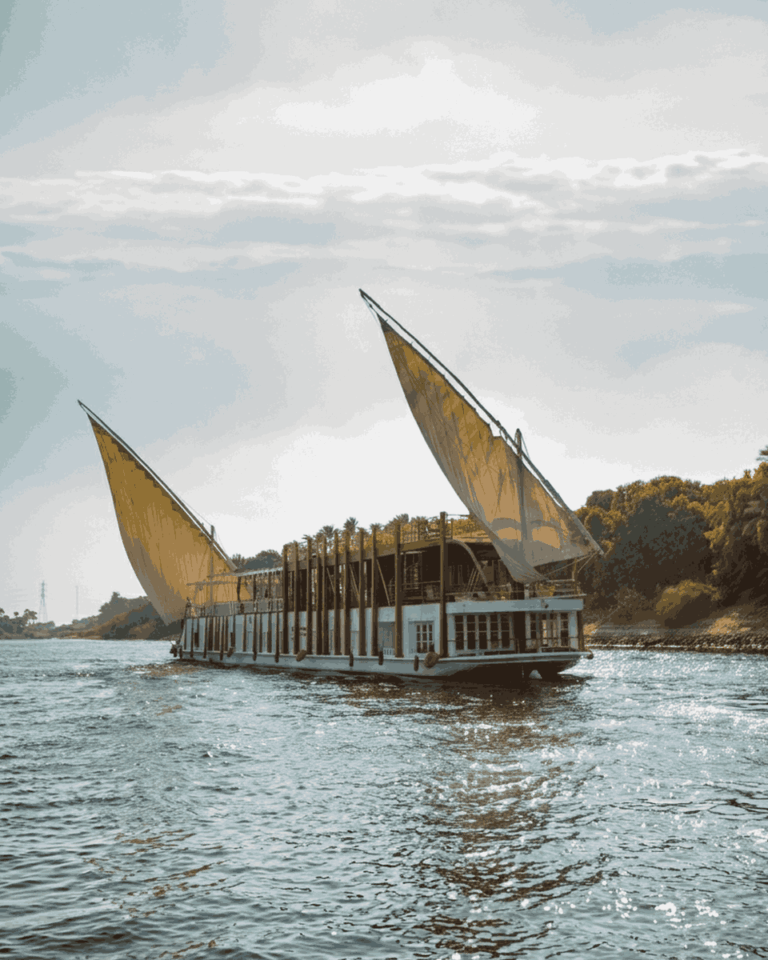
“The temples emerging from the riverbank at dawn, nobody else around — just our family, the water, and four thousand years of history.”

— A.F.

Read the story

Namibia

The Elephants Who Stayed

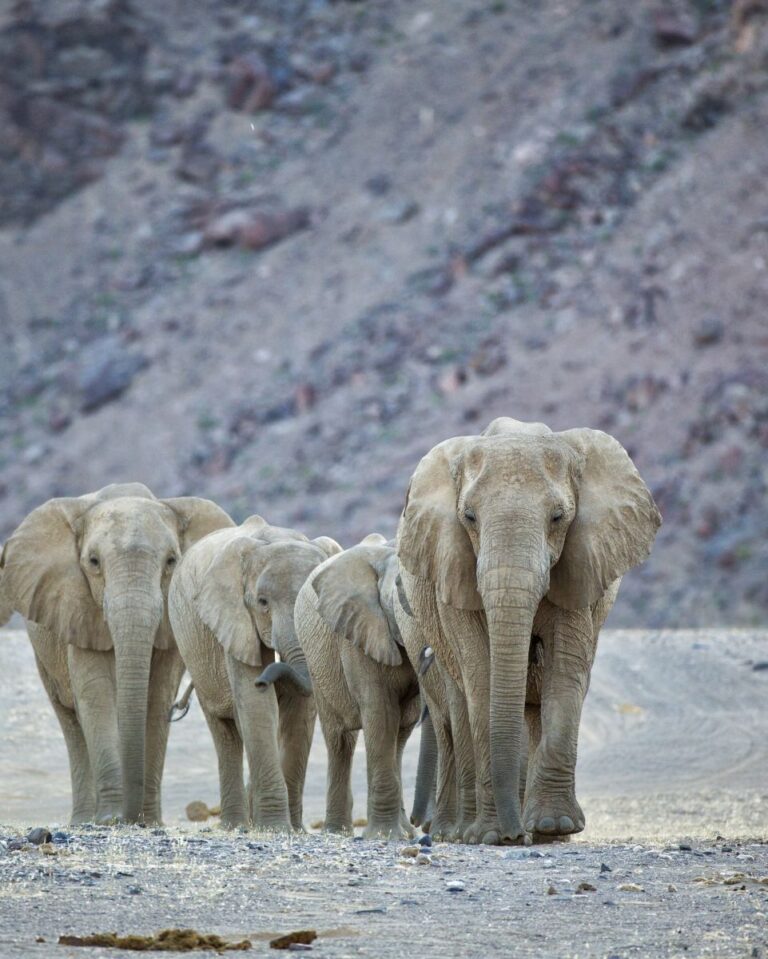
The matriarch moves first. She leads her herd down the parched riverbed — unhurried, deliberate — and watching her, something shifts. There is nothing green in sight. No water. The mountains tower over them, indifferent. And yet here they are, a dozen elephants including tiny calves, navigating a landscape that seems designed to refuse life.

The questions come fast, and they’re not gentle ones. What will they eat? What about the babies? Will all of them make it?

These are not the comfortable questions of a safari. The desert-adapted elephants of the Hoanib have been here long enough that their feet have reshaped to the terrain, their bodies recalibrated to scarcity. They know where to dig along the dry riverbed to find water buried beneath the sand. They know which trees they can take from without tipping the balance.

The vision of that singular herd, mountains at their back, not another living thing in sight — the wonder, the intrigue, the fear, inextricably etched together in memory.

Read the story

Bolivia

A Table on the Salt,
A Kitchen Flown In from La Paz

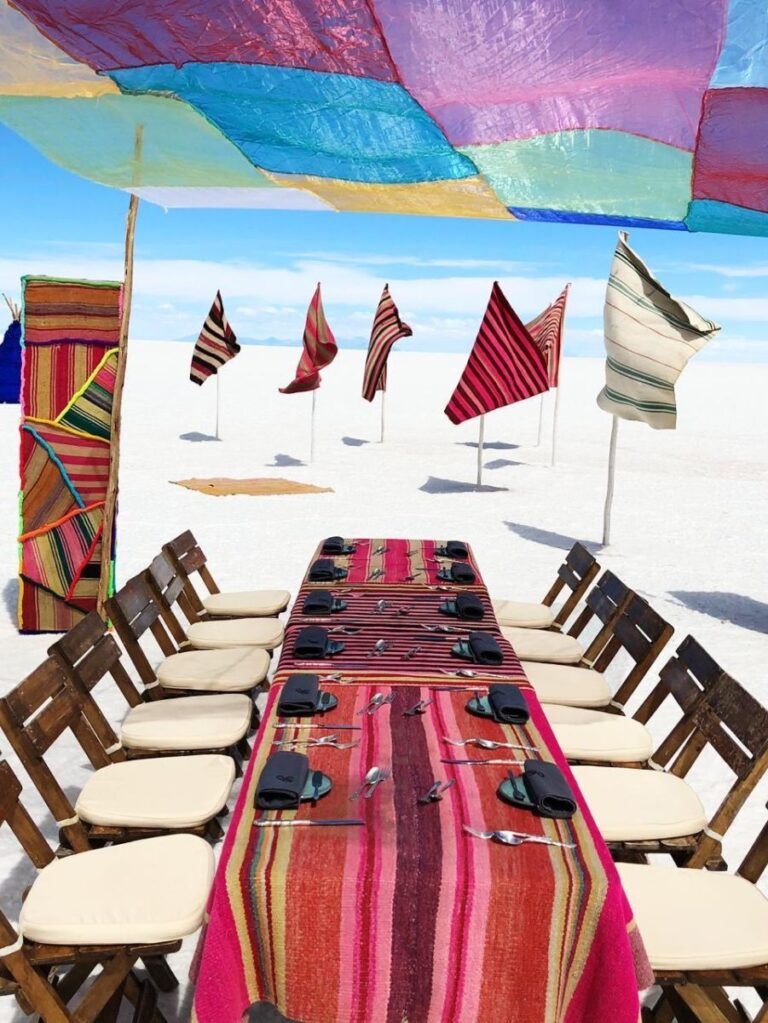
Five land cruisers waited on the tarmac as the group stepped off the private jet. Soft blindfolds went on before anyone had taken in where they were.

Twenty minutes across the flats — silence, anticipation, the hum of engines — then everyone out, each pointed in a different direction. Count to fifty. Remove the blindfold.

Before them: an endless white expanse, a few inches of water turning the salt flat into a perfect mirror. Sky and earth indistinguishable. Nobody moved. Nobody said anything.

As the group converged, a table had appeared on the salt — a white canopy overhead, set exactly for them. A full team of chefs and wait staff stepped forward and introduced themselves. They had flown in from Gustu in La Paz — one of South America’s most celebrated kitchens — and prepared every course here, under open sky.

The salt stretched to every horizon. Lunch was served.

Read the story

Botswana

Two Brothers, One Kill,
No Witnesses

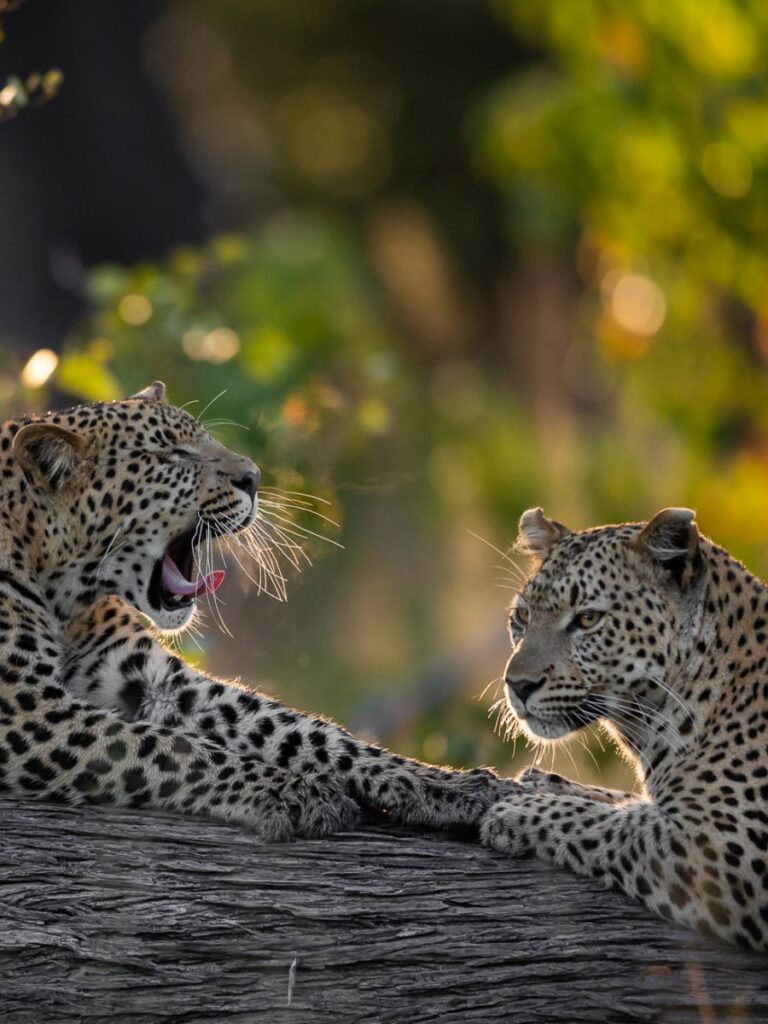
Two brothers, both sub-adults, sprawled across low branches in the late afternoon shade. Below them, barely concealed in the brush: an impala, their kill. The afternoon belonged to them—and to us.

They dozed. They fed. They watched. We watched back.

There were no other vehicles. This was our sighting, found by our guide, and it stayed ours. For hours, it was simply us and two leopards living out their afternoon.

In Botswana, that’s not luck. That’s how it works. You track. You search. You earn the sighting.

Read the story

India

The Wedding
Invitation

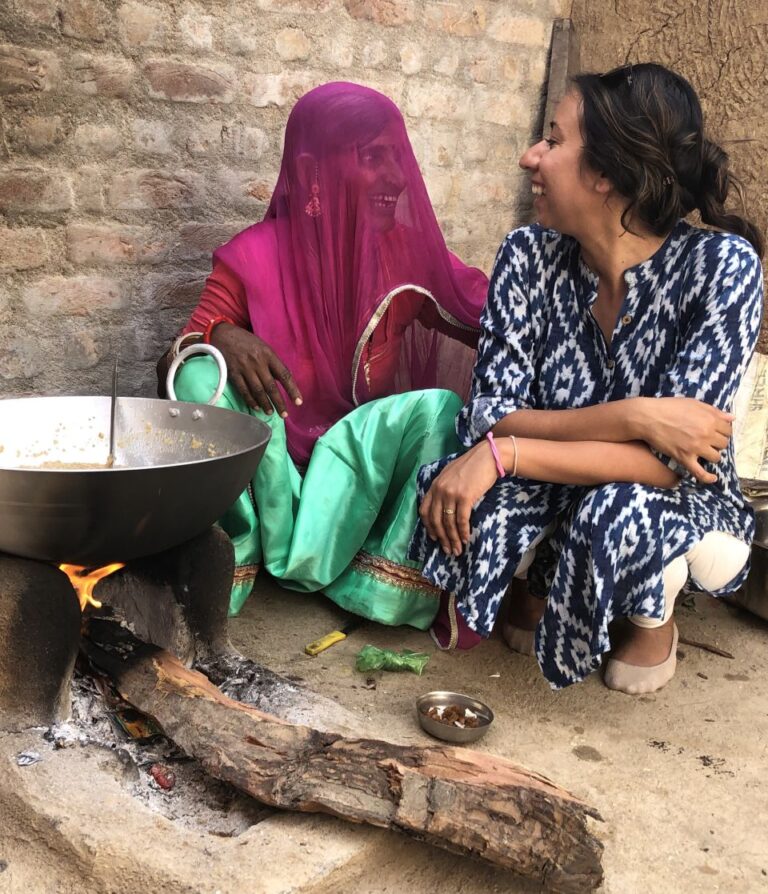
The retired headmaster was our guide through Chanoud that morning — a small village in Rajasthan, built around a haveli that has stood for three hundred years. We had paused outside a house showing signs of recent work, a door slightly open, and asked an idle question about what was being prepared inside.

We were welcomed in within minutes.

It was the home of a family preparing for a wedding three days away. The elders had gathered further inside to settle the formalities, and near the entrance — beneath open sky — the bridegroom’s mother sat beside a wood fire pit, preparing the traditional offering for her guests. She explained what she was making. We asked questions. She answered with the ease of someone who had no reason to be guarded, and a conversation took shape — unhurried, unscripted, warmed by the fire between us.

Then she turned and invited us to the wedding.

I thought she was being generous the way hosts are generous — the polite extension that everyone understands isn’t meant literally. I explained we were checking out the next day. Without missing a beat, she grinned and said that it was no problem at all. That we should stay with the family. That it was only a few days. That we really had to come.

I looked at her face. And I saw it — a look of resolute sincerity, quietly held.

She meant it as a real welcome — into her home, into the festivities, into her family; extended to two strangers who had walked through her door by accident five minutes earlier.

Seven years on, I still feel the warmth of it. Not the fire. Her.

Read the story

Nepal

Per Aspera ad Astra
Through the Dark, to the Stars

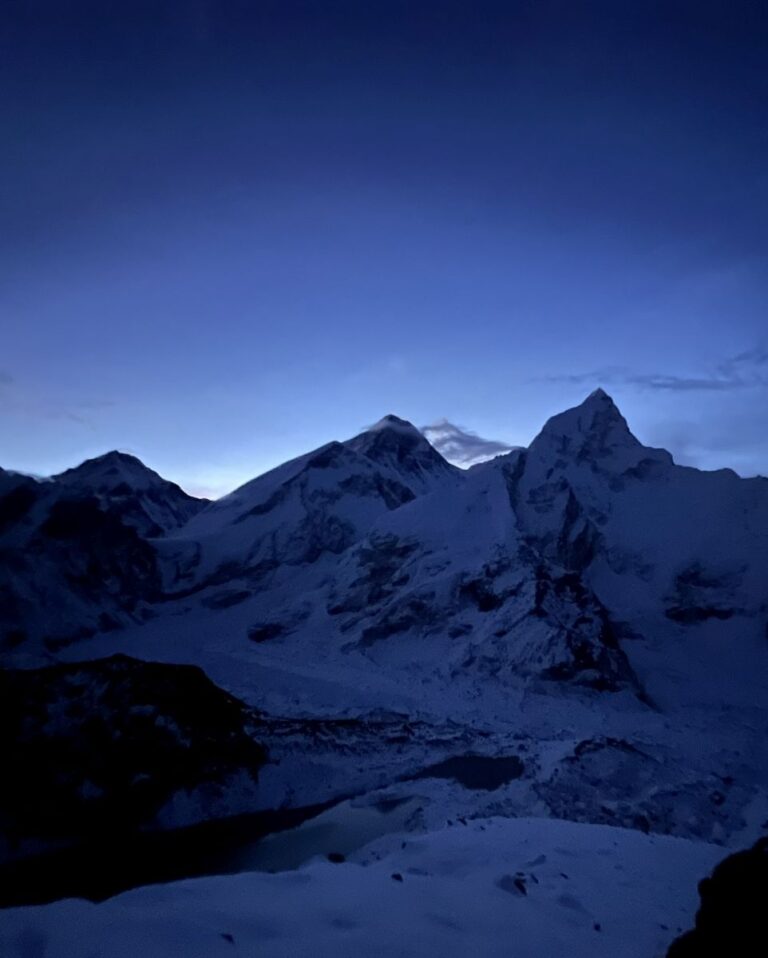
By day nine, you are ready. At 4 a.m. you step out into the dark — a quiet determination, a stillness that has been building for days.

Snow in every direction. Headlamps on. The ascent begins.

Then the first light catches the ridge above you — not sunrise yet, just the suggestion of it, the mountain’s silhouette backlit in gray and violet — and you keep walking toward it.

Reaching Everest Base Camp, you feel it before you name it. Not relief exactly. Something quieter. A knowledge, settled somewhere below thought, that you were capable of this — that you had been, all along, and the mountain simply showed you where to look.

The Himalayas do this to you. From the moment you arrive at Namche Bazaar and the mountains surround you for the first time — not as backdrop, as fact — the goal you have carried, in some cases for years, becomes the only thing left to do. The days that follow teach you things about yourself that ordinary life doesn’t ask for. Your body finds its limits and then, slowly, renegotiates them. Your sherpa moves through this terrain with a steadiness that steadies you — he has walked this path a hundred times and reveres it still, reading the mountain’s mood with a quiet authority you learn to trust completely. Something of that reverence gets into you, whether you intend it to or not.

Read the story

Bhutan

Somewhere Between
the Chant and the Silence

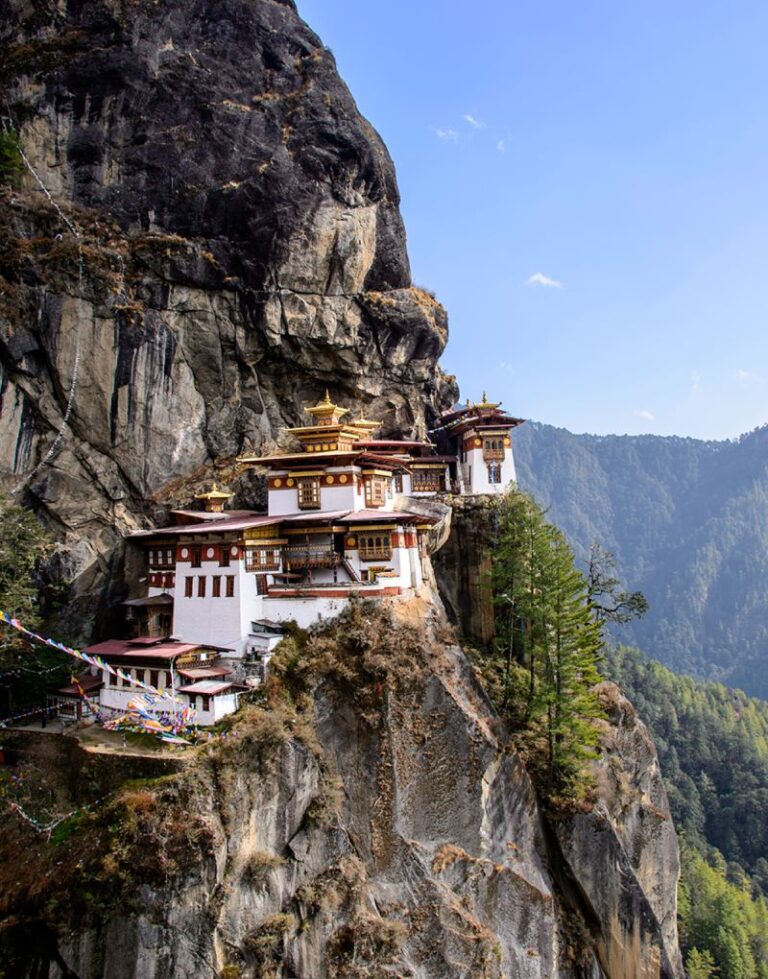
We were preparing to leave when our guide pulled us into a small room — hand-built, wooden planks, barely lit. Buddhist monks sat in deep meditation, chanting. The sound reverberated through the room. The air itself seemed to be in resonance with them.

And then I felt it.

It was as if every particle of my body was reverberating along. Physically intense. My senses sharpened, focused. I stood completely still, in a trance.

A metaphysical experience I never expected to have.

— I.G.

Read the story

Rwanda

The Moment You Lock Eyes
with a Mountain Gorilla

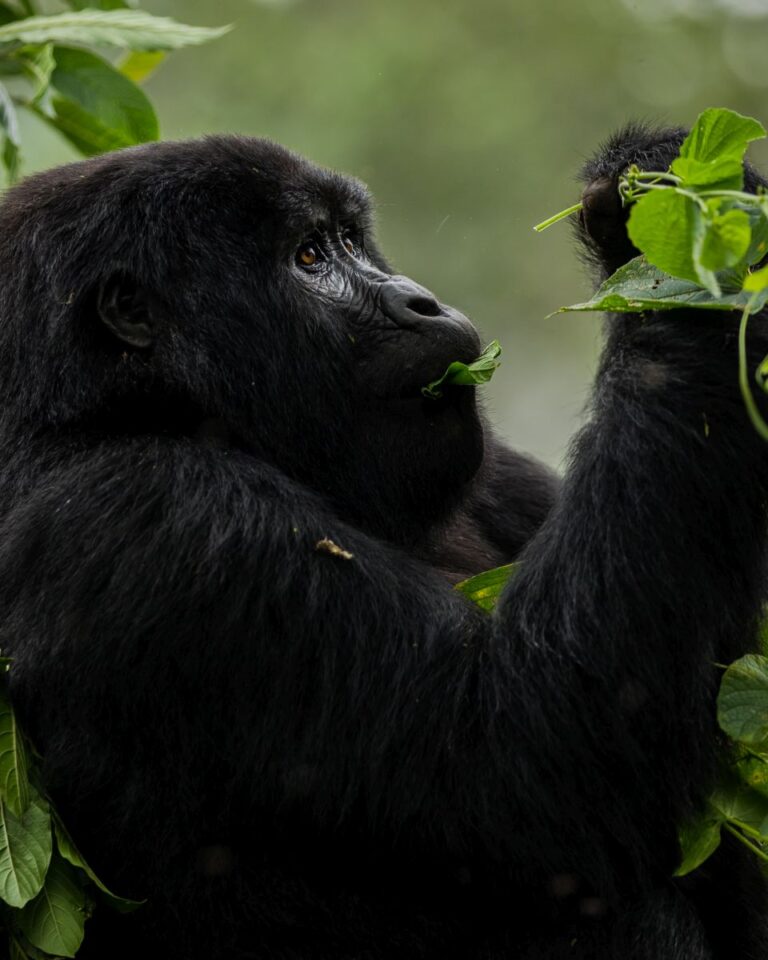
The moment you lock eyes with a mountain gorilla—a mother cradling her infant, juveniles tumbling over each other, making mischief—time stops.

It’s impossible to prepare for the intelligence in that gaze, the gentleness of such power.

But the encounter is only part of the journey.

Meeting rangers who track gorilla families every day, monitoring and providing medical aid, becomes an unexpected welcome into the world of mountain gorillas. A behind-the-scenes visit to the Ellen DeGeneres Campus reveals the research, the tracking, the decades of work protecting the species—it all comes together.

That moment when you first locked eyes with a gorilla—it comes to mean so much more.

Read the story

Every story here began
with a single conversation.