Curated Moments

Experiences in Ethiopia

4 moments

Landscape

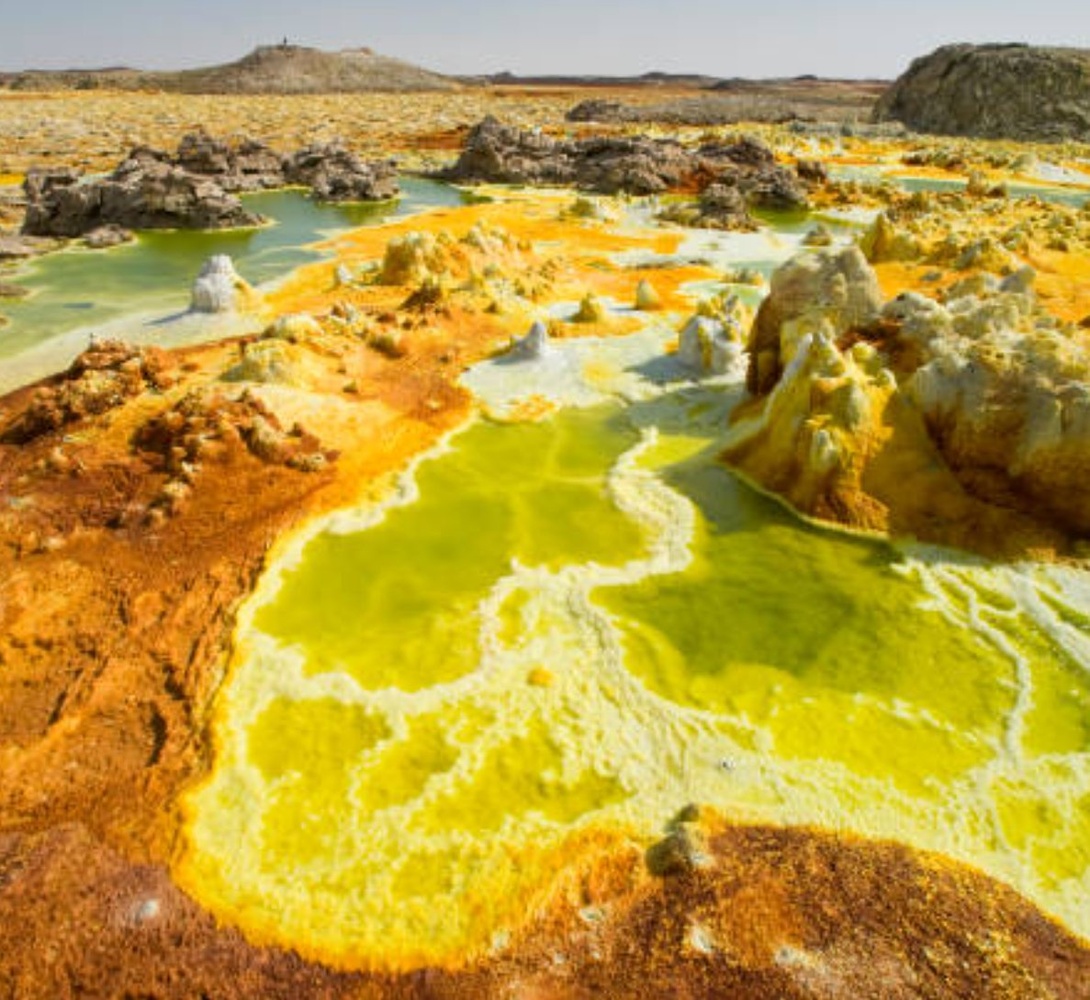
At the Edge of the Earth

Deeper into the Afar than most people will ever travel, the earth is still being made. Three tectonic plates pull slowly apart beneath your feet, the ground warm, the air thick with sulphur. At Dallol, acid springs have built chimneys of bright yellow and turquoise from nothing but salt, heat and time — colours that belong to no other landscape on earth. Getting here requires commitment: a pre-dawn departure, hours by land cruiser across salt flats and lava fields, a world that grows stranger the further in you go. Those who make it find something that has no comparison and leaves no adequate description.

Explore this moment

Cultural Immersion

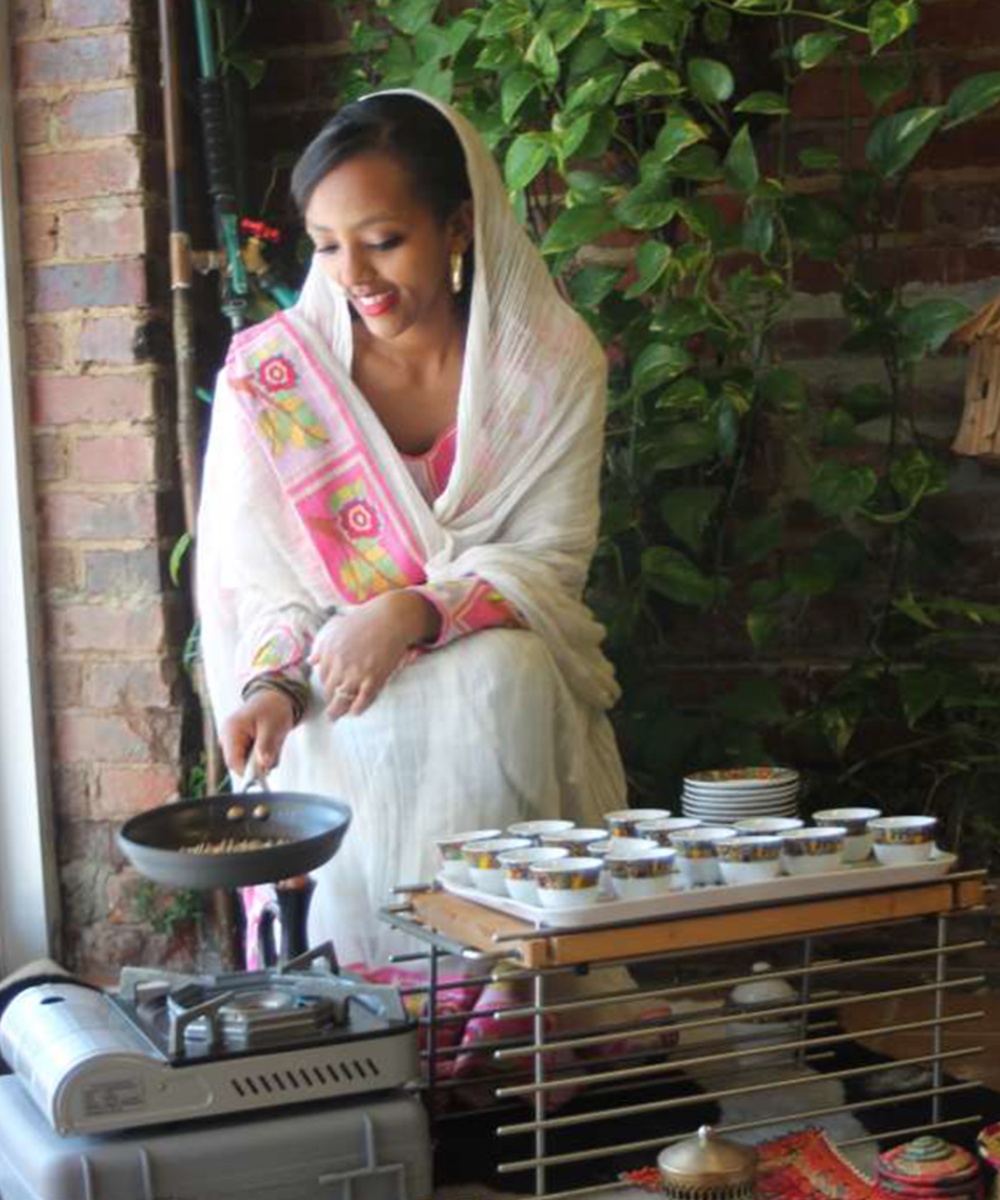
The Coffee Ceremony

The beans arrive green, roasted slowly over charcoal until the room fills with something between smoke and warmth. Ground by hand, brewed in a clay jebena, poured into small handleless cups — the ceremony moves through three rounds, each one a little lighter than the last. It is designed to take time, and the conversation that fills it is considered as much a part of the ritual as the coffee itself. Ethiopia has been doing this for longer than anyone can trace, and nothing about it suggests it will change.

Explore this moment

Monuments

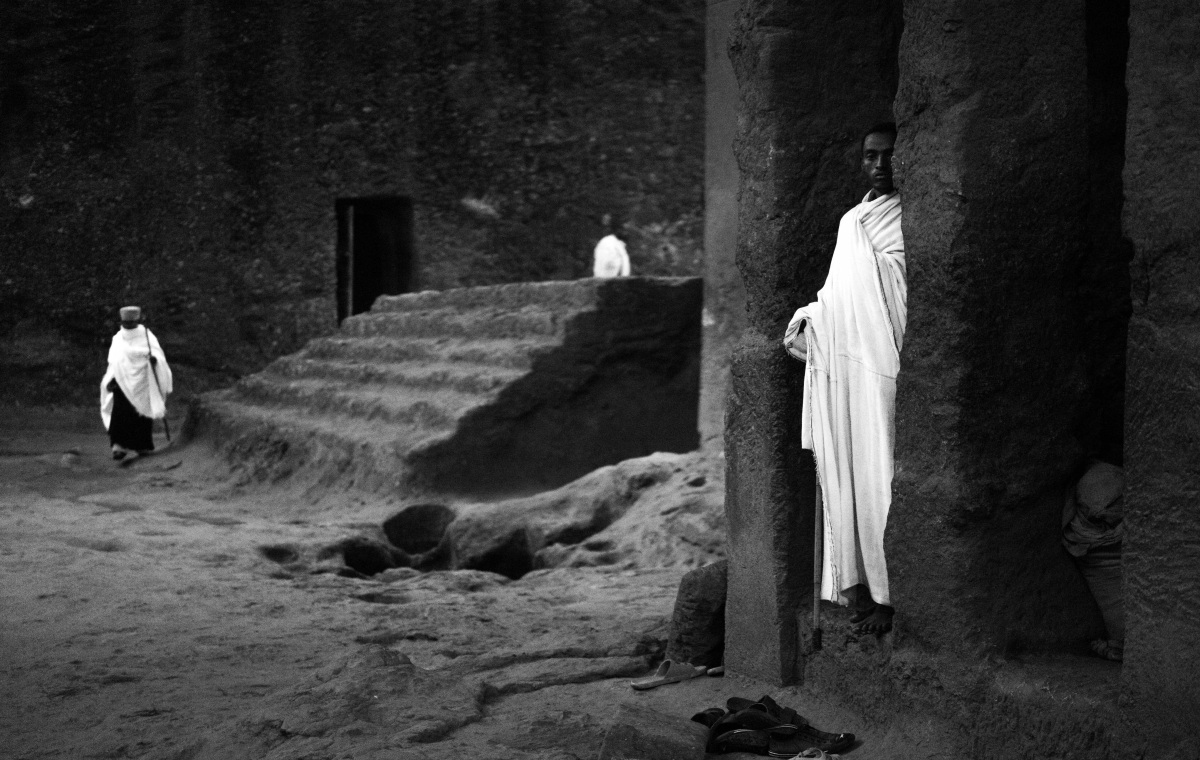
The Church Before Dawn

Before the highlands have warmed, white-shawled pilgrims descend through stone trenches toward Bet Medhane Alem, bare feet on rock worn smooth by nine centuries of the same passage. Low chanting carries through cold air before you see anyone. After mass, a tunnel leads through to Bet Maryam — its walls carved with a detail that rewards stillness. By the time the gates open to the public, you have already been somewhere most visitors never quite reach.

Explore this moment

Cultural Immersion

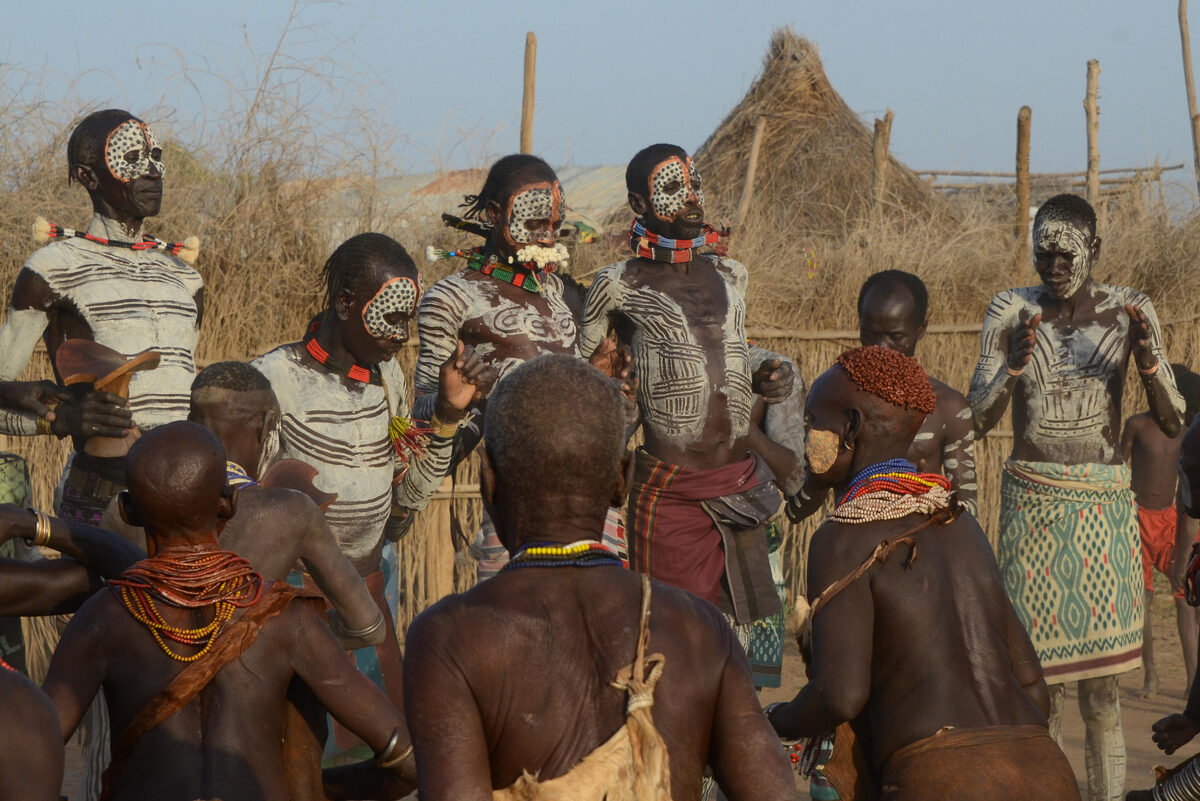
"Omo Valley, Ethiopia"

In Ethiopia’s Omo Valley, time is marked by ritual and season. Sitting with communities here, you share gestures more than language—beads, ochre, laughter, daily tasks—moments of presence rather than spectacle, offering a rare glimpse into ways of life shaped by land and lineage.

Explore this moment

Begin your journey

These are the moments
we share here. The rest,
we save for the conversation.

Plan Your Visit

When to Go

Peak Season

October – January

The finest window for Ethiopia — the long rains have ended, landscapes are still green and alive, and the light across the Simien Mountains and Omo Valley is extraordinary. This window also captures two of Ethiopia’s most spectacular festivals — Meskel in late September and early October, and Timkat in January, when Lalibela’s rock-hewn churches fill with white-robed pilgrims, torchlight, and chanting. A once-in-a-lifetime experience for the traveler who times it right.

Shoulder Season

February – April

Still dry and very travelable. The Simiens remain compelling for trekking and gelada sightings, the Omo Valley is fully accessible, and the historical north unhurried before the Easter pilgrimage season builds. The landscape gradually turns drier and dustier but the experience remains deeply rewarding.

Off Season

June – September

The main rainy season brings heavy rain to the highlands, challenging road conditions in rural areas, and cloud over the mountain views. Addis Ababa and the historical circuit remain accessible. For the flexible traveler the landscape turns impossibly green and visitor numbers drop sharply — but it requires the right expectations.


Suggested Stay

10 – 14 Days

Ten days covers Addis Ababa, Lalibela, and either the Simien Mountains or the Omo Valley — two very different Ethiopias, both extraordinary in their own right. Fourteen days combines both, or adds the otherworldly Danakil Depression — among the most remote and visually arresting landscapes on earth.

Pairs Well With

Neighbouring Journeys

Ethiopia pairs naturally with Rwanda for a broader East African journey, Kenya or Tanzania for a savanna safari extension, or Jordan for a culturally rich combination of two of the ancient world’s most extraordinary civilisations.
Lorem Ipsum is simply dummy text of the printing and typesetting industry. Lorem Ipsum has been the industry’s standard dummy

— Rachit Thakkar