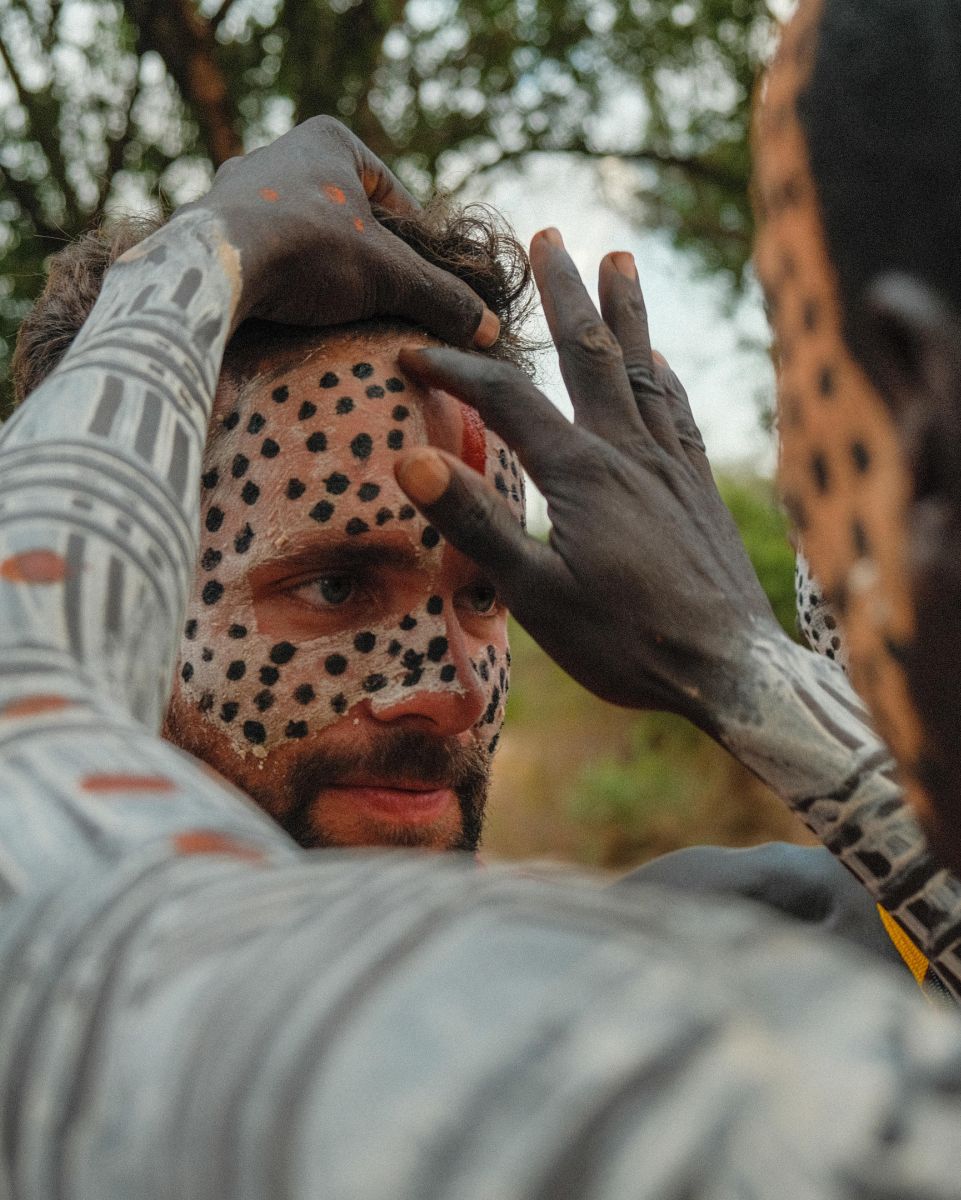
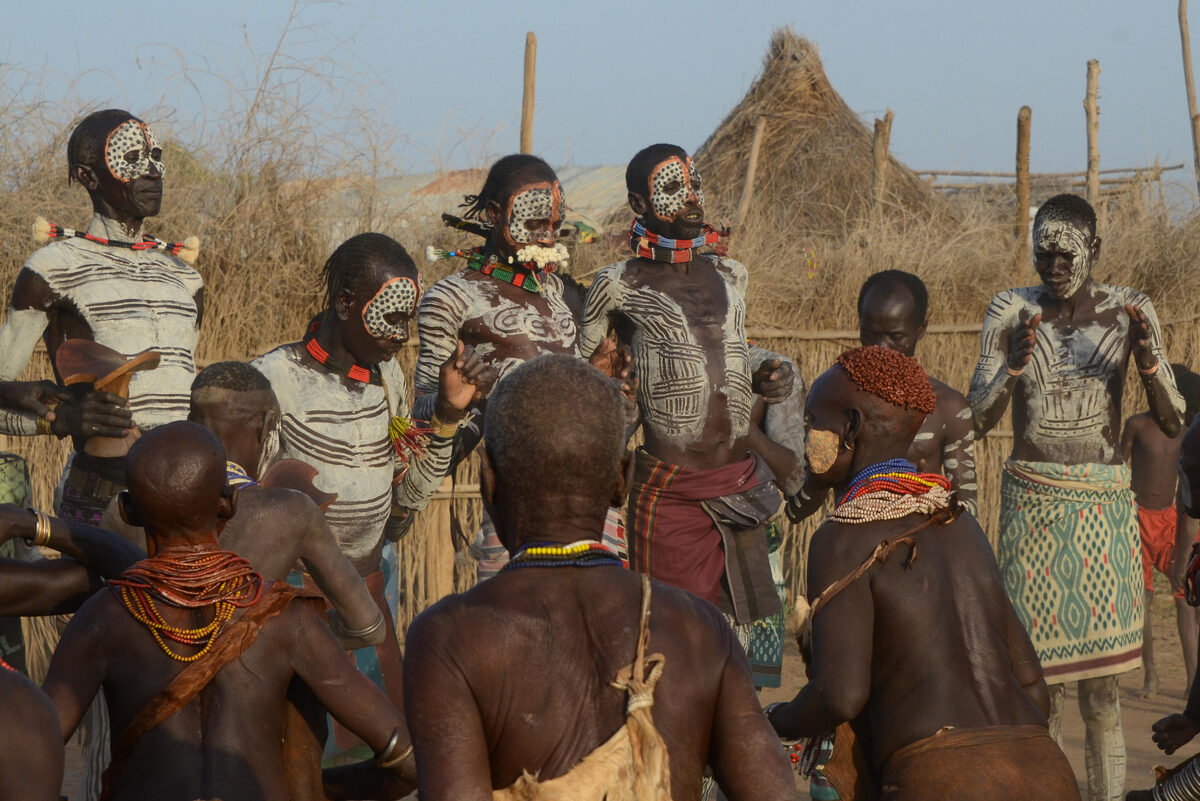
The journey to the Omo River valley feels like stepping into a previous age — where tribal communities have lived a life unchanged by time. Benny, who grew up in the valley and has spent years studying its culture, becomes your bridge into this world. With him, the Kara and Hamar villages reveal themselves differently.
There’s no performance here, no itinerary. Just an invitation into daily life — watching ochre being ground for body paint, sitting in the shade while elders share stories, and the feeling of being welcomed into their home rather than merely allowed.
The experience transforms from observation into exchange — creating space for genuine human connection that stays with you long after you’ve left.
Visiting the tribes of the Omo Valley is profound, but only when approached with care and responsibility. The most beautiful encounters — the ones that transcend language and cultural barriers — are built on relationships nurtured over time, with warmth and respect. Not every visit is the same. The difference lies in who brings you there, and why they’re welcomed. — Urmi
About Ethiopia
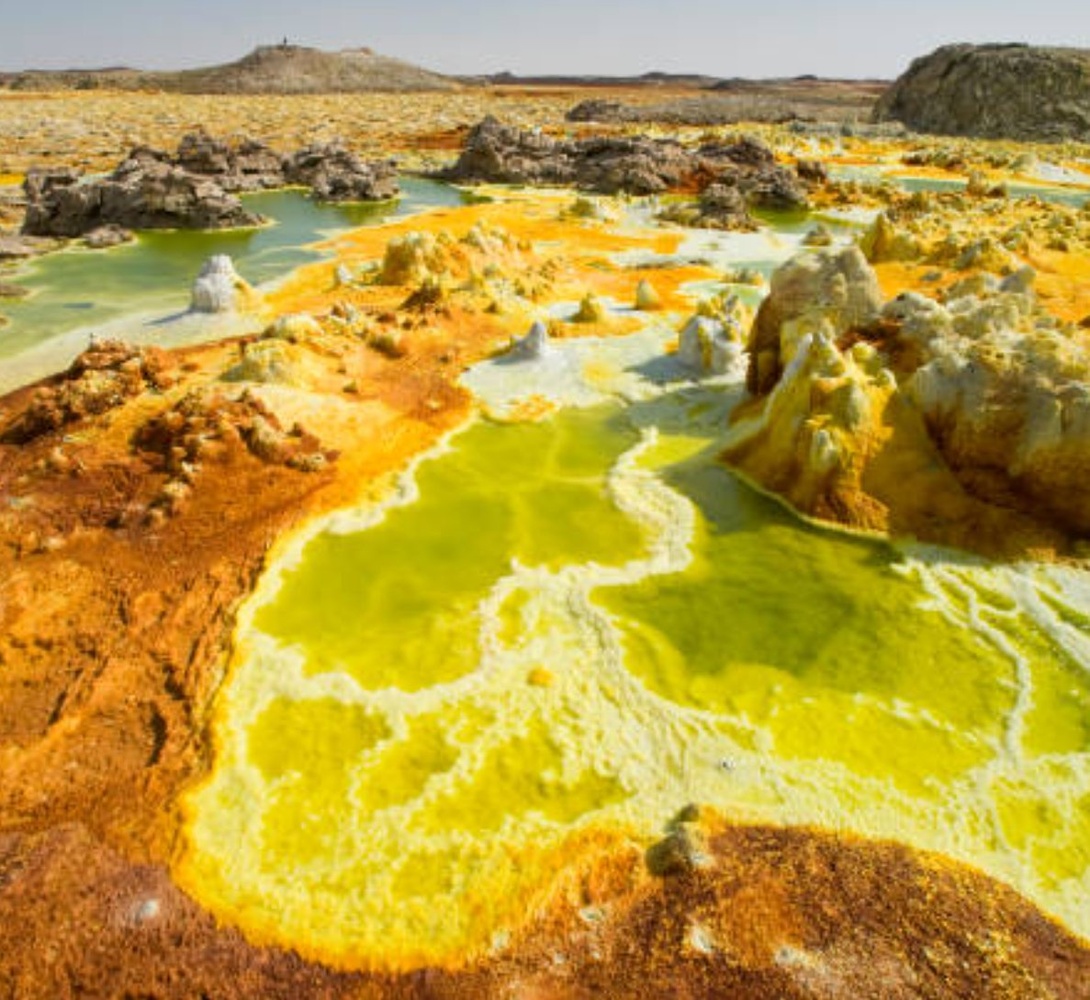
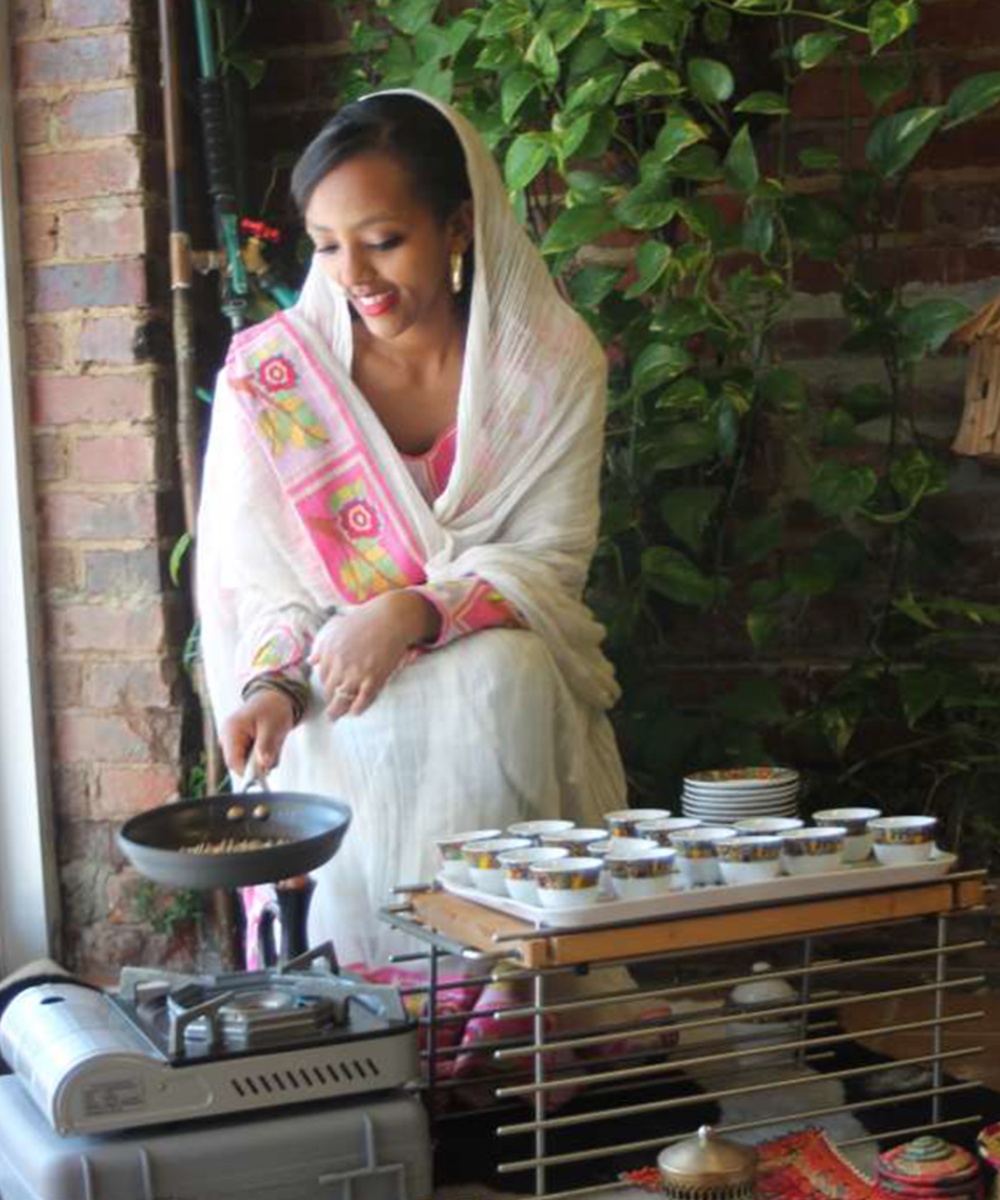
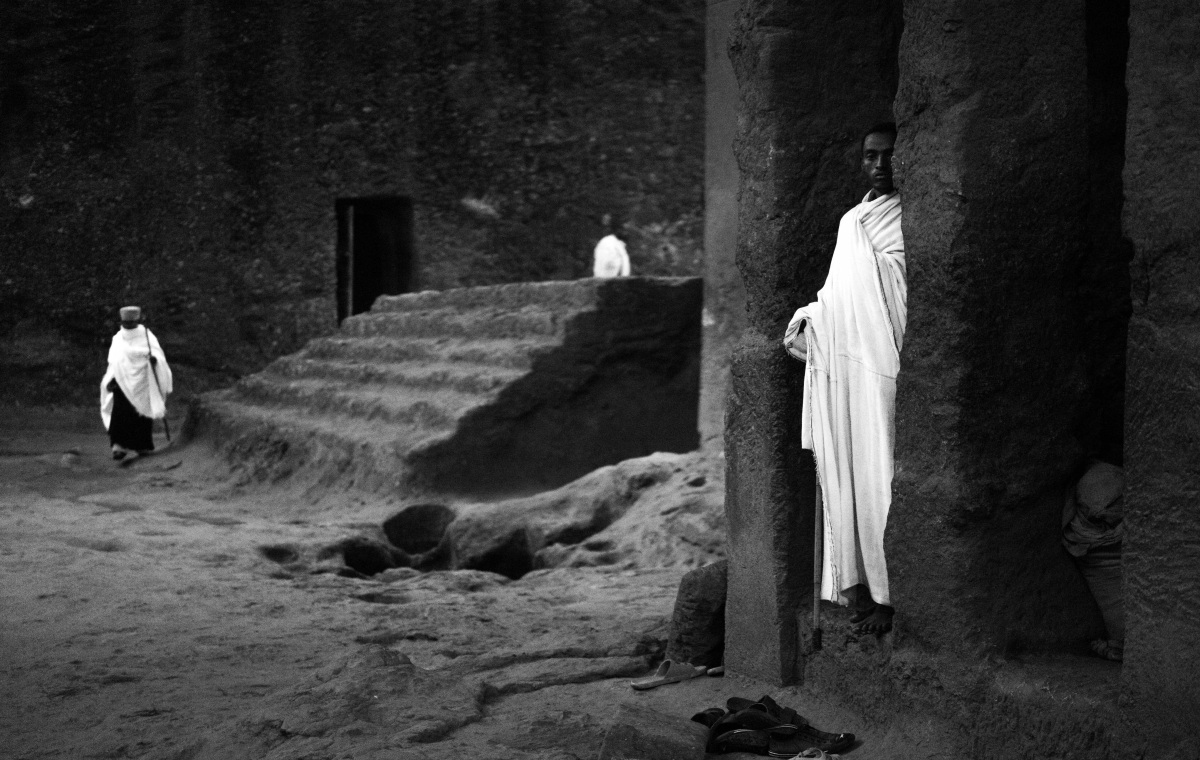
The land where Lucy walked 3.2 million years ago, where ancient Christianity carved churches from living rock in Lalibela and into the cliffsides of Tigray. From the otherworldly sulfur springs and lava lakes of the Danakil Depression to Lake Tana, the source of the Blue Nile. A country where coffee ceremonies are a sacred ritual, thirteen months mark the calendar, and cultural diversity spans from highland kingdoms to desert pastoralists — each with distinct languages and traditions.
“A guest quote will appear here — honest, personal, and in their own words.”
— A Palanquin Guest, Ethiopia