PATAGONIA · CHILE

A Day with the Gauchos
Into the Mountains of Torres del Paine

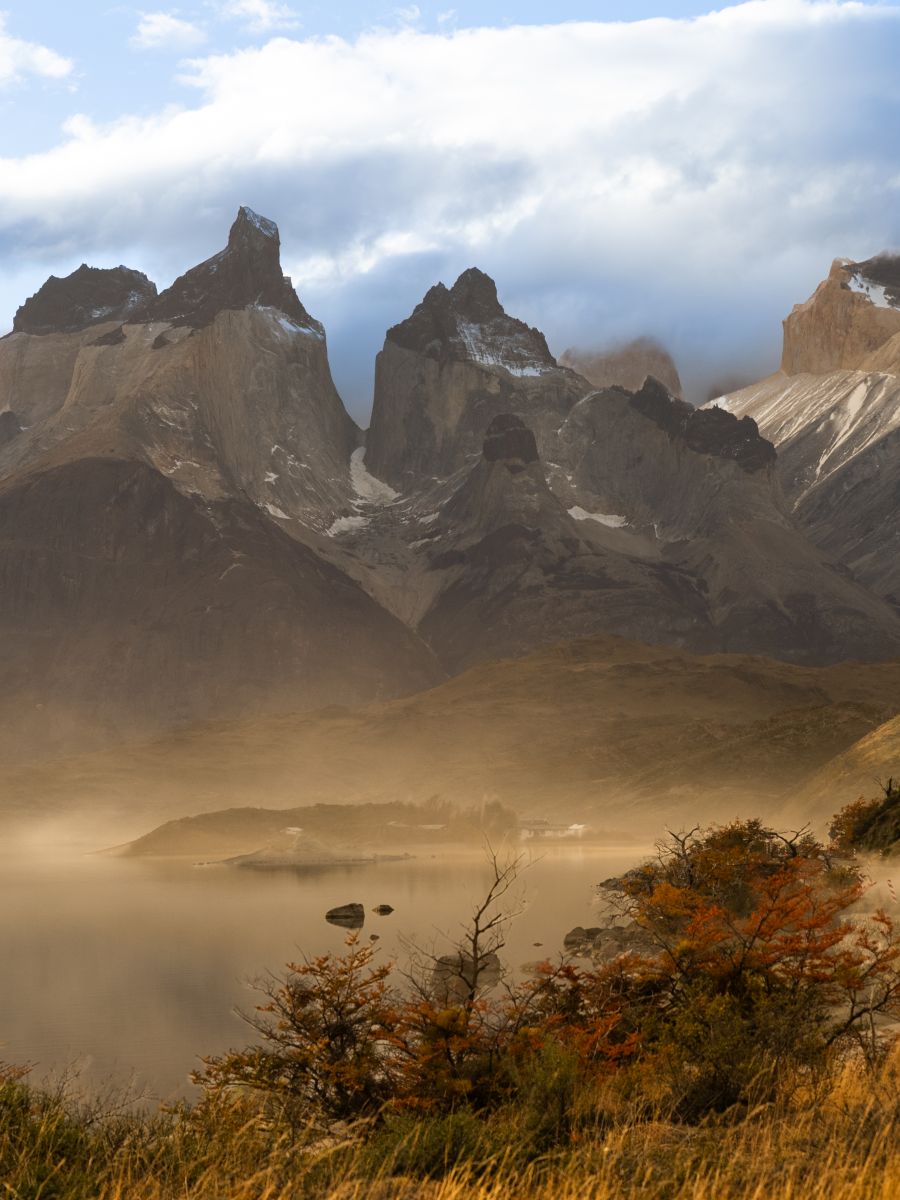
The trail crested, and the Torres del Paine were just there.

The three massifs, sudden and close, the steppe falling away below. The horses stopped. Just off to the left. Unannounced.

The gauchos have ridden this land their whole lives, and it shows in how they move through it — unhurried, fluent, at home in a way that takes generations. Skilled horsemen and cowhands of the South American grasslands, the gaucho is as much a part of Patagonia as the wind and the mountains.

Exploring the Andes on horseback alongside a gaucho, riding out together through the ranch and the land beyond. The creak of the saddle, hooves on loose rock, the trees shining gold in the summer sun — the Torres overhead the whole way, never quite letting you forget where you are. Back at the ranch, the quiet rhythms of a life shaped by this unforgiving landscape — and at the day’s end, a quincho, a traditional Patagonian gathering.

The lamb turning slowly on the spit, the Torres framed in the windows beyond. Long tables, wine poured freely, cheese passed around. The conversation and laughter that come naturally after a day spent outdoors together, in that landscape, on those horses.

About Chile

From the Atacama desert in the north to the glaciers, mountains and fjords of Patagonia in the south. A Pacific coastline stretching for thousands of miles, Andean valleys producing among South America’s finest wines, and a culture shaped by indigenous heritage, colonial history and the particular resilience of a people caught between the mountains and the ocean.

Rachit’s Note

What stays with me from that day is how the group arrived — and how they left. The gauchos had let them in, not to a performance, but to the actual texture of their lives. Riding the landscapes they have known their whole lives, the estancia, the conversations despite the language barriers — before long, it felt like we belonged, if only for a day, in someone else’s world.

— Rachit, Co-Founder

Experiences in Chile

Remote Stay

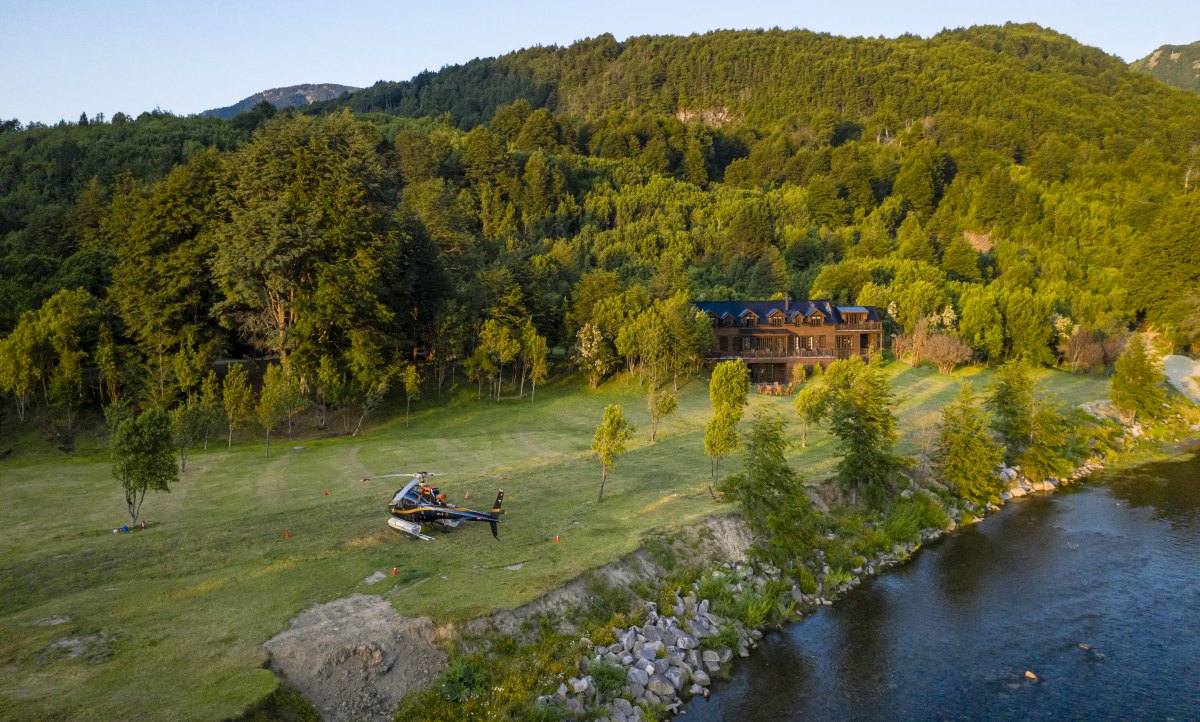
On the Palena River

In an untouched corner of northern Patagonia, a lodge sits on the banks of the Rio Palena, Andean peaks rising on every side — in a part of Chile that most maps don’t linger on. Days leave from the helipad and return to the river — fly fishing, glacier hiking, whitewater — before the wood-fired hot tubs and a long table dinner draw everyone back in. The remoteness is the point. Getting here requires intention; once arrived, there is little reason to think about anywhere else.

Explore this moment

Landscape

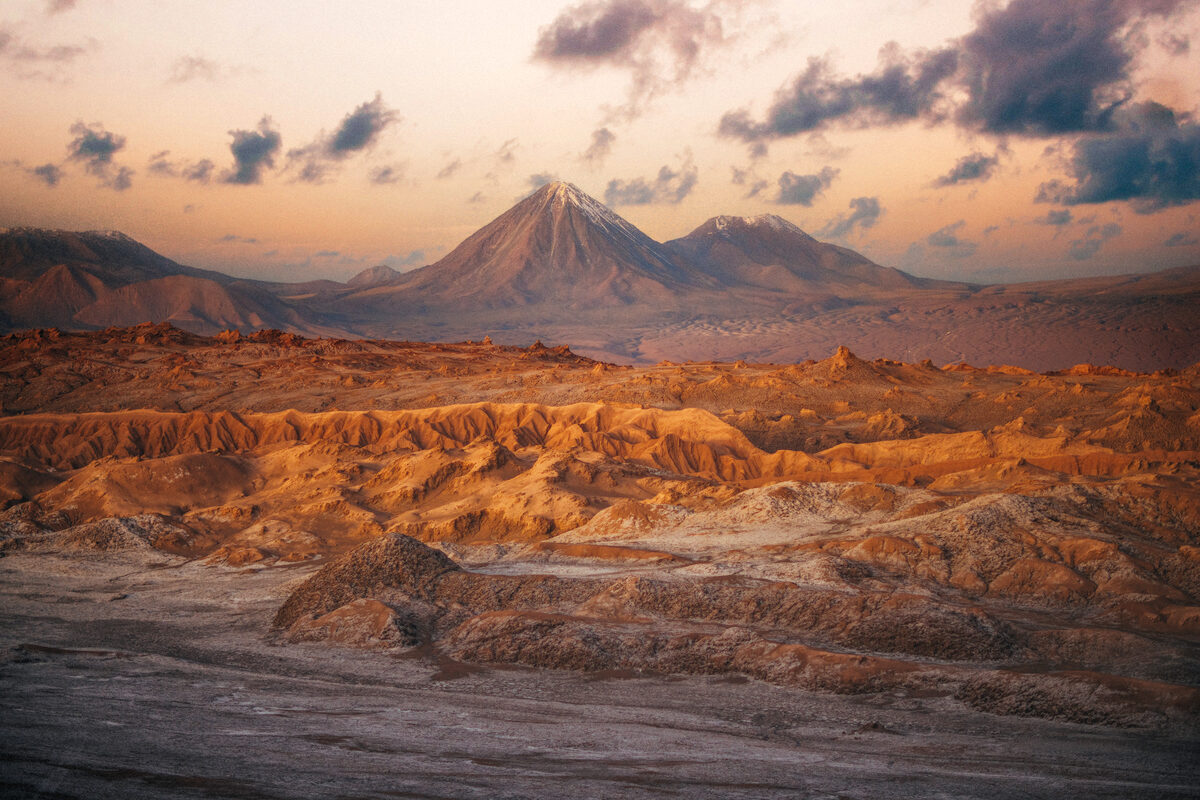
Valley of the Moon, After Dark

From the top of a sand dune, the Valley of the Moon changes colour as the sun drops — the Cordillera de la Sal moving through ochre, then violet, then something close to ash. The volcanoes on the horizon hold the last light longest. After dark, an astronomer sets up a telescope under a sky the Atacama’s altitude and dryness makes almost unreasonably clear. The evening covers two kinds of vastness.

Explore this moment

Adventure

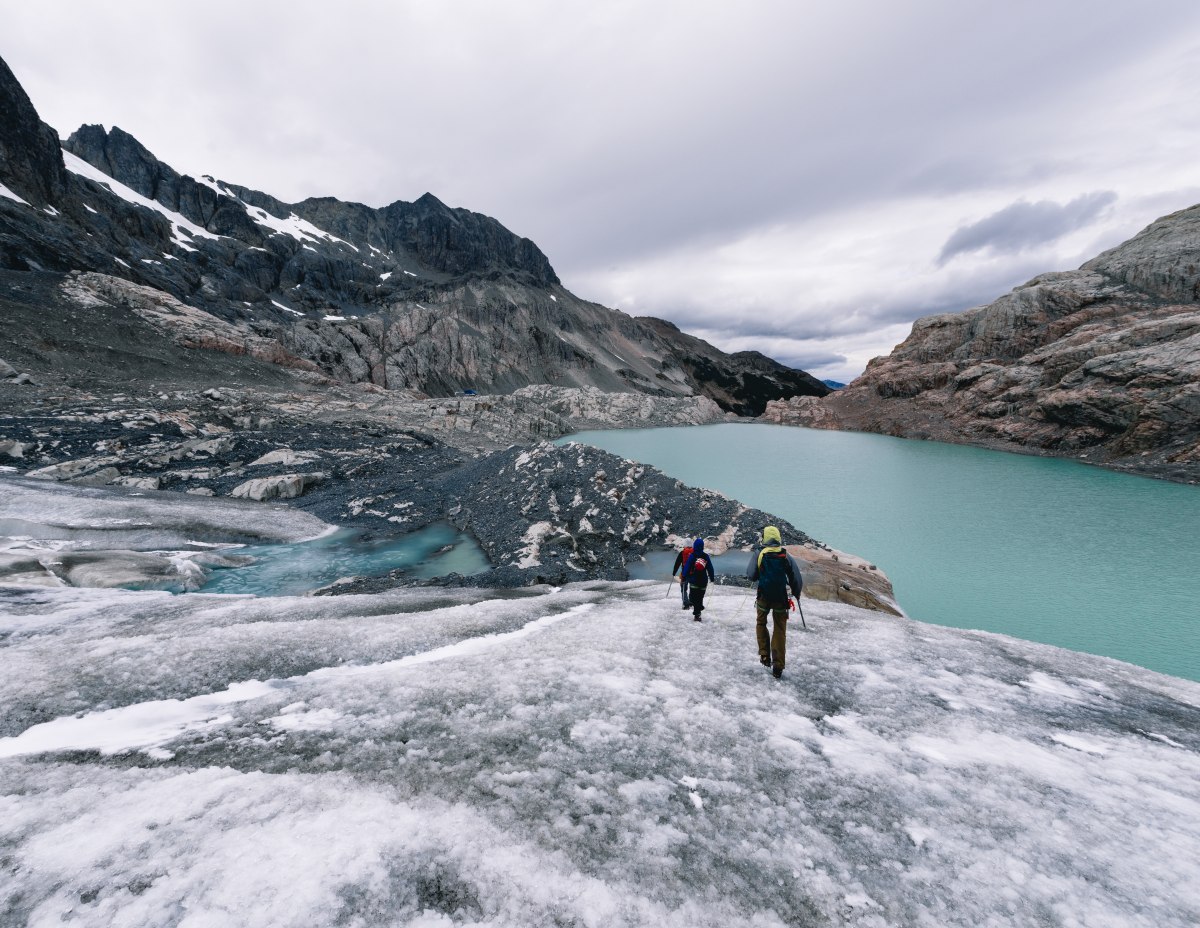
Heli to the Ice

The helicopter sets down on the glacier and the scale of it arrives slowly — blue-grey ice stretching in every direction, cold and fractured underfoot. Crampons give way to ice caves, where light compresses into deep blue and the silence has been accumulating for centuries. At the base, a cold plunge, brief and total, then paddleboards on meltwater so clear the depth refuses to resolve. The same place, four times over — each one unrecognisable from the last.

Explore this moment

Wildlife Tracking

In Search of the Puma

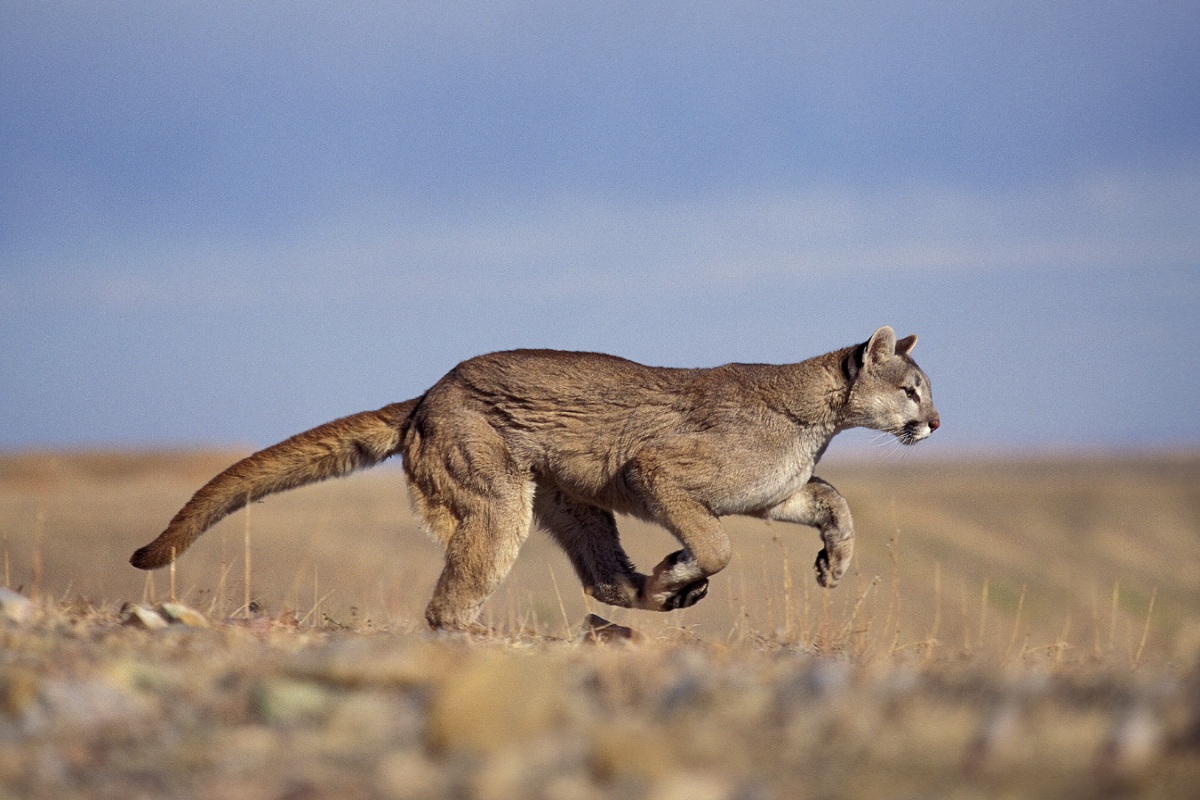
In Torres del Paine National Park, tracking a puma means entering a landscape of wind and vast silence, searching for a presence rarely seen and never guaranteed. Hours pass in quiet focus. When the elusive cat finally emerges against the Patagonian peaks, the moment feels rare, restrained, and deeply earned.

Explore this moment

Begin Your Story

Would you like us to create something like this for you?

Every journey starts with a single conversation — with us, not a form.